



Schools and Education (More Detail)
What Massachusetts offers:
-
High-performing public schools in many towns:
A lot of suburbs and small cities have strong reputations for academics. It’s common to find:-
Advanced math tracks starting in middle school
-
AP / honors classes in high school
-
Well-funded special education and support services
-
-
Enrichment baked into the system:
-
School trips to science museums, historic sites, and universities
-
Strong arts programs: band, choir, theater, visual arts
-
Foreign language programs that often start earlier (in some districts, in elementary school)
-
-
College ecosystem all around your kids:
-
Nearby colleges often host public lectures, family days, science fairs, coding camps, robotics competitions, and summer programs.
-
Many high schoolers find part-time jobs or internships on or near campuses, which can be great early exposure to careers.
-
Compared to New Mexico (gently):
-
New Mexico does have caring teachers and some standout schools, but strong districts can be more spread out and less densely clustered.
-
In Massachusetts, if you don’t love one school district, there’s often another solid one 20–30 minutes away. That density of options can make it easier to:
-
Move between districts if needed.
-
Pick a town based on school quality and fit.
-
-
Overall, your kids may have more educational “layers” around them: ambitious peers, numerous extracurriculars, and access to nearby colleges—without needing long drives.
Family impact:
You may feel more confident that, almost wherever you land in Massachusetts, your kids will have a solid academic foundation and plenty of enrichment built into daily life.

Healthcare Access for the Whole Family (More Detail)
What Massachusetts offers:
-
High concentration of hospitals and clinics:
-
Primary care offices, urgent care clinics, pediatric specialists, and dental/orthodontic care are usually within driving distance, especially in the eastern half of the state.
-
-
World-class specialty care:
-
If anyone in the family has asthma, allergies, developmental needs, or chronic conditions, there are many specialized clinics and hospital departments to choose from.
-
-
Shorter wait + less travel:
-
Because there are more providers packed into a smaller geographic area, you often have:
-
More appointment slots to choose from
-
Shorter travel times to second opinions or specialty visits
-
-
Compared to New Mexico (kindly):
-
In New Mexico, especially if you’re outside the main cities, it’s common to drive hours for certain specialists or advanced tests.
-
In Massachusetts, you’re more likely to be within an hour or less of a major hospital or specialist, which:
-
Lowers the stress of medical logistics
-
Makes it easier to keep up with routine care and follow-ups
-
Family impact:
You get more peace of mind: when a kid gets sick, has a sports injury, or needs speech therapy or evaluations, you have many options close by instead of needing a big travel day.

Compactness and Daily Convenience (More Detail)
What Massachusetts offers:
-
Shorter average distances between “life hubs”:
-
Many families live in towns where school, grocery stores, pediatrician, and work are all within 15–30 minutes.
-
-
Errand efficiency:
-
It’s normal to do multiple things in a single trip: drop a kid at practice, grab groceries, swing by the library, and pick up dinner—all in a small radius.
-
-
Public transit options (especially near Boston):
-
Commuter rail and subways mean older teens can sometimes get to activities, jobs, or friends without parents needing to drive every time.
-
This can reduce your “family taxi” duties.
-
Compared to New Mexico (keeping it positive):
-
New Mexico’s wider, more spread-out feel can be peaceful and beautiful, but often means:
-
Longer drives for activities, shopping, or appointments
-
Fewer things clustered in the same place
-
-
In Massachusetts, you’re trading some open space for convenience and time savings. Instead of two hours in the car, maybe it’s 30 minutes—leaving more space for family dinners and downtime.
Family impact:
You may find your days feel a bit more “compressed” and manageable, with less driving and more actual time together.

Variety of Kid-Friendly Activities in a Small Area
What Massachusetts offers:
-
Outdoor fun:
-
Beaches and coastal walks in summer
-
Lakes and ponds for swimming or kayaking
-
Forest trails and state parks for hikes and picnics
-
-
Hands-on learning:
-
Children’s museums, science centers, and aquariums
-
Historical reenactments and living-history villages
-
-
Year-round calendar:
-
Spring: festivals, opening days at farms, flower shows
-
Summer: outdoor movies, free concerts, town fairs
-
Fall: apple picking, hayrides, pumpkin patches
-
Winter: sledding, snowshoeing, skiing, ice skating
-
Because the state is small, you can often wake up, decide “Let’s go do something,” and be there in under an hour.
Compared to New Mexico (respectfully):
-
New Mexico has jaw-dropping landscapes, national parks, and unique cultural events. The difference is mainly:
-
In New Mexico, many destinations involve longer drives and planning.
-
In Massachusetts, a wide range of different environments (beach, city, forest, old town) are all day-trip accessible.
-
Family impact:
It becomes easier to have frequent, low-stress adventures—which can build a lot of shared memories without needing big vacations.
Seasonal Experiences and Traditions (More Detail)
What Massachusetts offers:
-
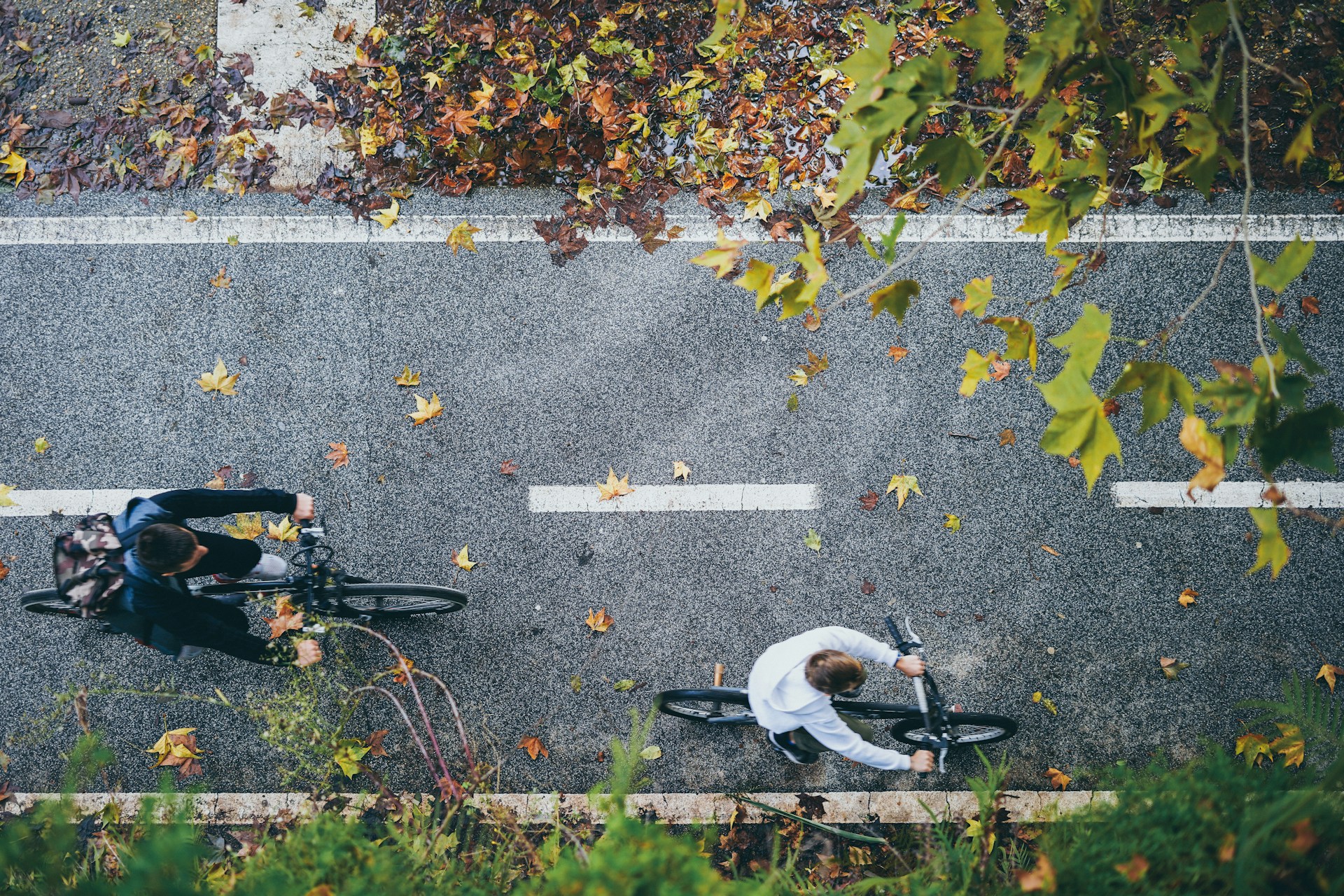
Fall (“classic autumn”):
-
Bright foliage, cooler air, cider donuts, and farm stands
-
School photos with colorful trees, leaf piles in the yard
-
Family drives just to see the leaves and stop for hot cider
-
-
Winter:
-
Real snow in many areas, which means:
-
Snowmen, snowball fights, and sledding hills
-
Learning to ski or snowboard if you’re interested
-
-
Cozy indoor traditions: baking, board games, movie nights
-
-
Spring:
-
Flowers in neighborhoods, parks greening up again
-
Kids can see a tangible “end of winter” and renewal
-
-
Summer:
-
Warm but usually not brutally hot (especially near the coast)
-
Beach days, lake trips, ice cream walks in the evening
-
Lots of fireworks and small-town celebrations around the Fourth of July
-
Compared to New Mexico (gently):
-
New Mexico’s drier, sunnier climate has its own charm and is great for people who love sunshine and desert landscapes.
-
Massachusetts may give your family a more “storybook four-season cycle”:
-
Leaves changing color
-
Snowy winters
-
Spring flowers
-
Beachy summers
-
Family impact:
You get a natural rhythm to the year. Kids can build strong seasonal memories: carving pumpkins in sweaters, snow days, first warm day in spring, and beach trips in July.

Community Life and “Small-Town” Feel (More Detail)
What Massachusetts offers:
-
Busy recreation departments:
-
Youth sports (soccer, baseball, hockey, basketball, etc.)
-
Dance, gymnastics, martial arts, art classes
-
Adult leagues and fitness programs that help parents meet people too
-
-
Town traditions:
-
Annual parades, holiday tree lightings, Halloween walks
-
Farmers’ markets with live music and kids’ activities
-
Town days or “Old Home Day” events with games and booths
-
-
Walkable centers (in many towns):
-
A main street with:
-
A library
-
A playground or town green
-
Coffee shops, ice cream, local restaurants
-
-
Kids grow up recognizing people, waving to familiar faces, and walking to spots they love.
-
Compared to New Mexico (with care):
-
Many New Mexico communities are tight-knit too, especially smaller or long-established towns.
-
The difference you might feel in Massachusetts is the density and frequency of structured town events and walkable town centers, especially in suburban areas.
-
You may find that almost every weekend, some town nearby has a fair, festival, or market.
Family impact:
It becomes easier to build friendships—for your kids and for you. You’re likely to see other parents again and again at the same events, sports fields, and town gatherings.

Career and Higher-Education Opportunities (More Detail)
What Massachusetts offers:
-
Diverse job markets:
-
Technology, biotech, healthcare, finance, academia, and more
-
Many companies and institutions clustered in and around Boston and other cities
-
-
Educational atmosphere:
-
Kids often know people who work in a lot of different fields—engineers, professors, nurses, researchers, designers, etc.
-
This can subtly shape how they view their own future options.
-
-
College pathways:
-
Wide range of in-state public and private colleges
-
Community colleges, state universities, and specialized schools
-
Easier for teens to visit campuses, attend summer programs, or do dual-enrollment classes.
-
Compared to New Mexico (positively):
-
New Mexico has important industries (like energy, labs, aerospace, and government-related research).
-
Massachusetts simply offers a broader and denser mix of jobs and institutions in a compact area. That can mean:
-
More internships and part-time jobs for teens and young adults
-
More networking potential once your kids are older
-
Family impact:
You’re placing your kids in an environment where education and career pathways are highly visible, which can be motivating and empowering as they grow.
Day-Trip Access to the Wider Region (More Detail)
What Massachusetts offers:
-
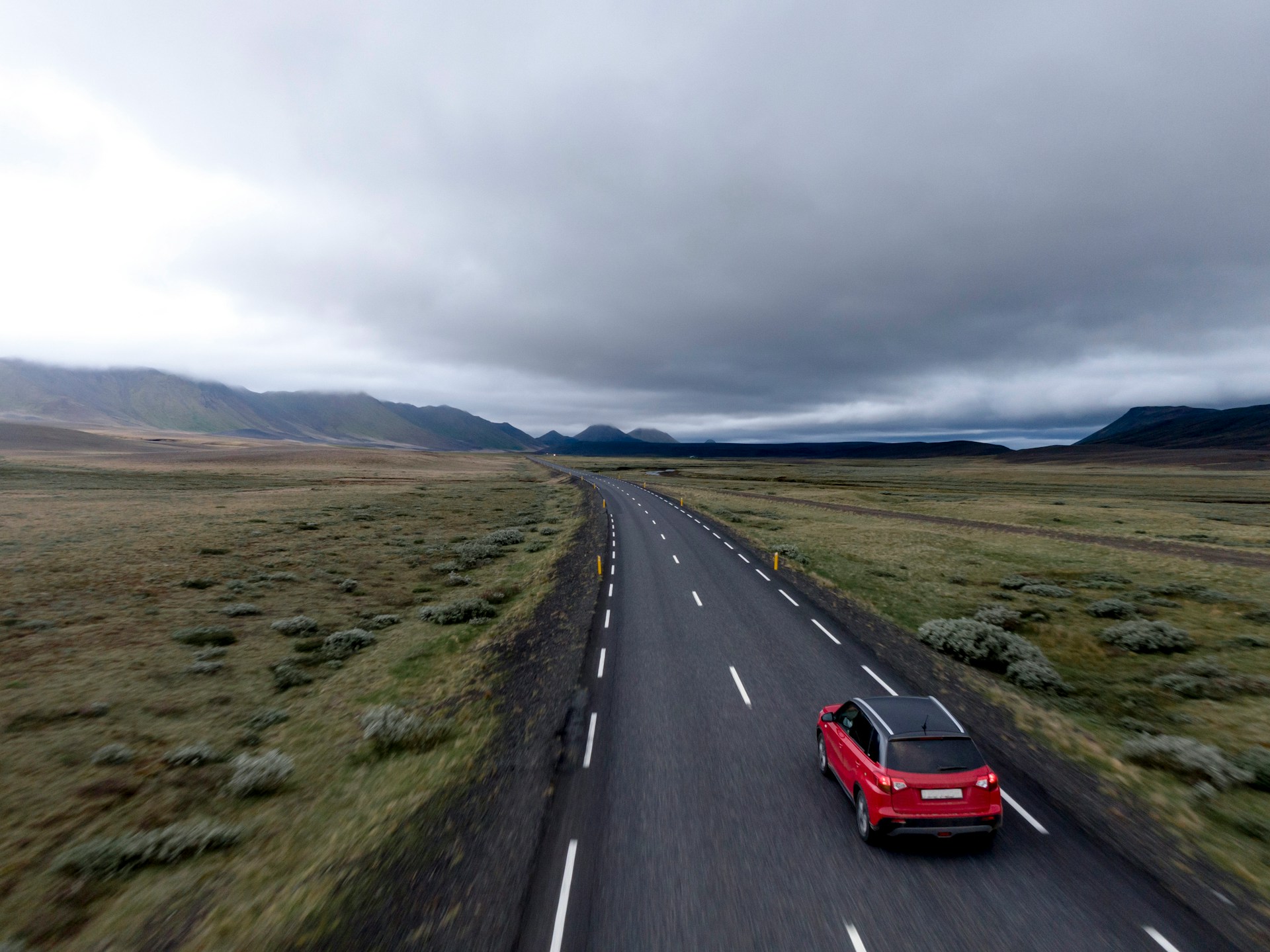
Easy reach to multiple states:
-
North to New Hampshire and Maine for mountains, lakes, and camping
-
West to Vermont for skiing, fall foliage, and small-town charm
-
South to Rhode Island for more beaches and coastal cities
-
West or south to big cities like New York City for museums, shows, and major attractions
-
-
Multiple travel modes:
-
Car, bus, and train options, especially from the Boston area and larger towns
-
-
Flexible family adventures:
-
Day trips for hiking or skiing
-
Overnight trips to other states on long weekends
-
“City day” excursions for big museums and shows
-
Compared to New Mexico (lightly):
-
New Mexico is a destination in itself, with stunning sites—but many big-city or different-climate experiences involve longer drives or flights.
-
From Massachusetts, you’re in the middle of the Northeast, which makes it easy to stack a lot of different types of trips into the year: beach one weekend, mountains the next, major city another.
Family impact:
Your kids get exposed to multiple states, landscapes, and city environments without huge travel planning. That variety can be exciting and eye-opening.

Cultural and Learning Richness for Kids (More Detail)
What Massachusetts offers:
-
Museums and arts:
-
Art museums, science museums, and children’s museums within driving distance
-
Smaller local museums about local history, maritime life, and industry
-
-
Theater and music:
-
Community theater where kids can act, dance, or help backstage
-
Youth orchestras and choirs, local concerts, and performances
-
-
Community diversity:
-
College towns and cities bring in people from all over the world.
-
Kids may have classmates from different cultures, speak different languages at home, or have family ties abroad.
-
Compared to New Mexico (respectfully):
-
New Mexico has deep, unique cultural traditions and a rich blend of Native American, Hispanic, and Southwestern influences.
-
Massachusetts adds a different flavor of richness:
-
Early American and colonial history
-
Maritime and industrial heritage
-
A strong presence of global students and professionals in college and tech areas
-
Family impact:
Your kids grow up with lots of “windows” into different ways of life—through classmates, local events, museums, and university communities.

Emotional Framing: What This Move Means for Your Family
Beyond the practical pros, here’s how you might think about the move emotionally:
-
“We’re moving closer to a dense network of opportunities.”
Schools, doctors, activities, and colleges are all nearby. That can mean more options with less stress. -
“We’re creating a tradition-rich childhood.”
Four seasons, seasonal activities, and frequent local events can give your kids strong, comforting memories that repeat year after year. -
“We’re choosing a place where family time is easier to protect.”
With shorter drives and more resources nearby, you may spend less time in transit and more time actually being together—cooking, playing, exploring. -
“New Mexico will always be part of our story.”
You don’t have to frame New Mexico as a bad place—just as the first chapter. You can tell your kids:-
“We got this beautiful desert and sky there.”
-
“In Massachusetts, you’ll get snow, beaches, and new adventures.”
Both can be special in different ways.
-