



Denser Variety of Family Activities
In Massachusetts
Day to day, you’d have a lot more “What should we do today?” answers within a short drive:
-
Weekend variety:
-
One weekend at the beach
-
Next weekend at a hands-on science museum
-
The next walking around a historic town or downtown Boston
-
-
Rainy-day options:
Indoor play spaces, children’s museums, aquariums, libraries with rich kids’ programming, and theaters that do family matinees. -
Memberships that really get used:
A single museum or zoo membership can give you access to reciprocal programs or multiple branches nearby, making frequent short trips easy. -
Different vibes close together:
You can go from a quiet coastal town to a buzzing city center in under an hour in many cases.
Compared with Nebraska
Nebraska has great family outings—zoos, children’s museums, parks, fairs, sports events—but they’re more spread out and tend to repeat more often (same zoo, same park, same water park). You still have good options, just fewer distinct “worlds” close together.
In Massachusetts, the tighter geographic area with lots of different types of attractions means you can switch up your family routine more often without long road trips.

Coastal Living and Outdoor Recreation
In Massachusetts
If your family loves the outdoors, you’re adding a lot of new textures:
-
Ocean access:
-
Beach days with swimming, sandcastles, and tide pools
-
Family-friendly whale-watching trips
-
Harbor cruises and small ferries that feel like mini-adventures for kids
-
-
Water sports:
-
Sailing, kayaking, and paddleboarding lessons for kids and teens
-
Calm ponds and lakes for beginners, plus coastal waters for more advanced outings
-
-
Hiking and nature:
-
Hill and mountain-style hikes in places like the Berkshires
-
Short, kid-friendly forest loops and coastal trails with scenic overlooks
-
-
Seasonal shifts in outdoor life:
-
Fall hikes for foliage
-
Winter snowshoeing or skiing
-
Spring walks along rivers and marshes
-
Summer swimming, boating, and picnics by the water
-
Compared with Nebraska
Nebraska’s prairies, rivers, and parks are genuinely beautiful—camping, river trips, wide-open skies. The main difference is that Massachusetts layers in:
-
The ocean
-
Forest and hill country instead of mostly plains
-
Lots of short, varied hikes and walks, many tied to pretty towns
So you’re not trading outdoor life away; you’re swapping “big sky and plains” for “coast, hills, and forests.”

Rich History and Educational Experiences
In Massachusetts
History shows up in everyday life:
-
Walking history lessons:
Your kids might walk past centuries-old buildings on the way to ice cream or a playground. -
Field trips that feel special:
Schools and families can easily reach Revolutionary War sites, historic ships, and preserved villages where guides dress in period clothing. -
Layered learning:
A topic like the American Revolution, colonial trade, or early industry becomes more real when kids can see the streets, harbors, and mills where it all happened. -
Holiday tie-ins:
Certain holidays (like Independence Day) can be experienced where some of the events they’re celebrating actually occurred.
Compared with Nebraska
Nebraska’s strength is in pioneer history, agricultural heritage, and Native American history. Those are valuable, and you’ll still carry those stories with you.
Massachusetts adds a different chapter of American history—colonial, maritime, and revolutionary—so your kids get a richer mix of historical perspectives as they grow up.

Access to a Strong Higher-Education Ecosystem
In Massachusetts
Even if your kids are young, being surrounded by colleges and universities quietly shapes their sense of what’s normal:
-
Camps and programs:
Summer science camps, coding workshops, music programs, and sports clinics hosted at or near campuses. -
Public events:
Free or low-cost lectures, science demos, performances, and fairs open to the community. -
Role models all around:
College students, researchers, and professors end up coaching youth teams, teaching classes, or volunteering at local events. -
Subtle expectations:
It’s common to see teens touring campuses or talking about different college options, which can normalize planning for higher education.
Compared with Nebraska
Nebraska has respected universities and a strong sense of pride in them. The difference in Massachusetts is density and variety: more institutions of different sizes and specialties within a relatively small area, which can translate into more local enrichment opportunities for kids.
Walkability and Public Transportation
In Massachusetts
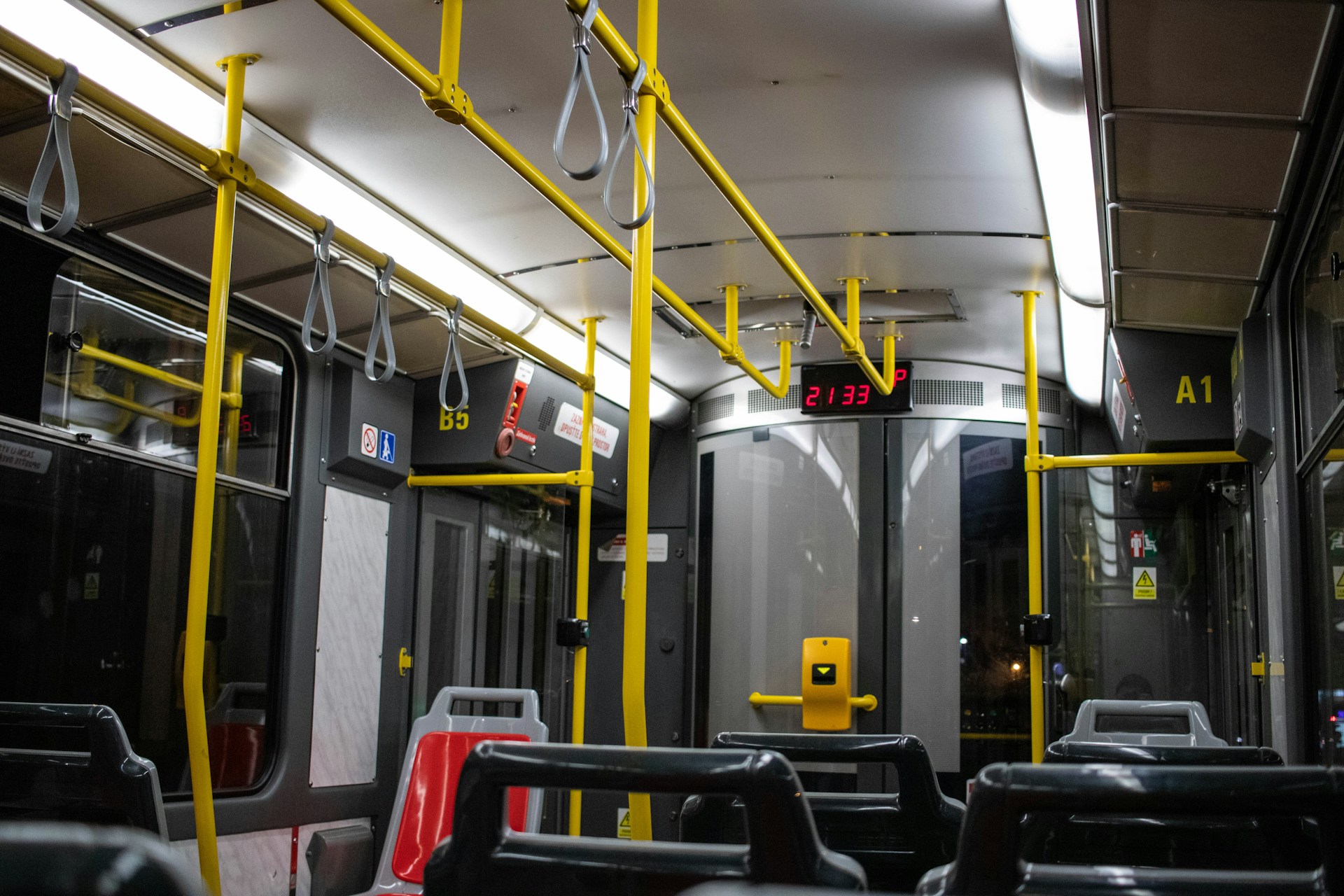
Depending on where you live (especially near Boston or in certain towns), life can be less car-centered:
-
Walkable errands:
Grocery stores, playgrounds, coffee shops, libraries, and schools may be within walking distance or a quick bus/train ride. -
Teens gaining independence:
Older kids can learn to navigate buses, commuter rail, and subways for school, jobs, or activities, without needing a car right away. -
Family outings without parking drama:
You can head into the city by train instead of dealing with downtown parking every time. -
Health and connection benefits:
Walking more can mean bumping into neighbors, feeling more plugged into the community, and getting some easy exercise.
Compared with Nebraska
In most of Nebraska, life is wonderfully simple when it comes to driving—easy parking, straightforward roads. But it usually means:
-
Parents doing more chauffeuring
-
Teens strongly depending on car access for independence
Massachusetts gives you the option of a lifestyle where the world is a little closer together, which can be nice for family logistics and teen independence.

Variety of Communities in a Compact Area
In Massachusetts
Within a relatively short radius you can find:
-
Coastal towns:
Laid-back life, easy beach access, harbors, and seafood spots; often popular with families who like the water. -
Suburban family hubs:
Many with strong school systems, organized youth sports, and active parent communities. -
College towns:
With lively downtowns, bookstores, cafes, and lots of events. -
Rural and small towns:
Quieter pace, more land, and a strong “everybody knows everybody” feel. -
Urban neighborhoods:
Much closer to museums, concerts, and diverse food options.
You can live in one and regularly enjoy the others via short day trips.
Compared with Nebraska
Nebraska has a similar range conceptually (urban centers, small towns, rural areas), but they’re more spread out. In Massachusetts, the same variety exists in a smaller area, so you can more easily sample different environments as part of normal life.
Four-Season Family Traditions
In Massachusetts
You get four seasons that lend themselves nicely to rituals:
-
Fall traditions:
-
Apple picking at orchards, hot cider, hayrides
-
Pumpkin patches and corn mazes
-
Scenic drives or walks to enjoy colorful leaves
-
-
Winter traditions:
-
Sledding hills close to home
-
Ice skating at local rinks (some outdoors)
-
Day trips to ski areas if you want to get into skiing or snowboarding
-
-
Spring traditions:
-
First warm day walks along the coast or river paths
-
Visiting botanical gardens or local farms as they reopen
-
Kids’ sports starting up again in milder weather
-
-
Summer traditions:
-
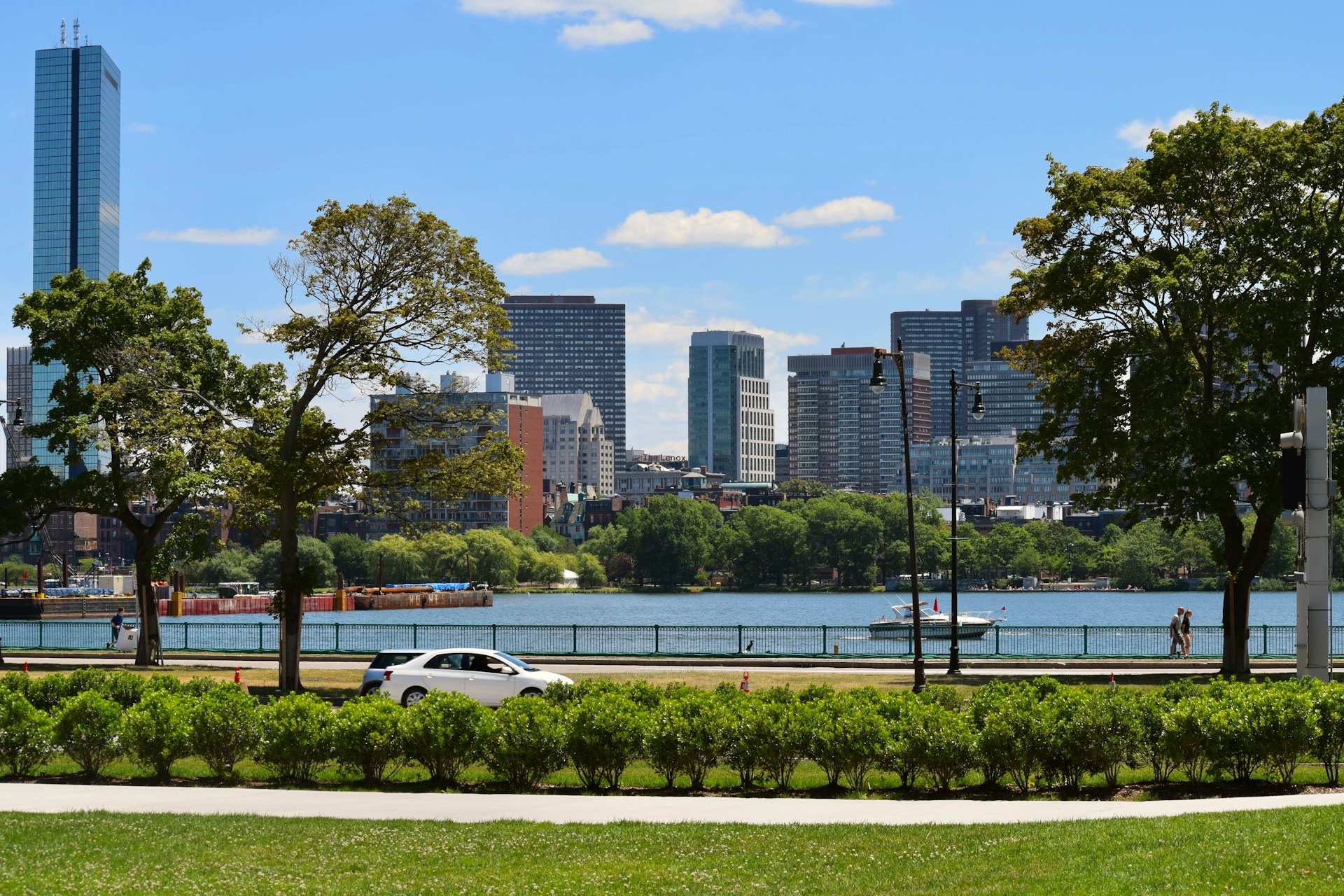
Beach days, evening walks by the water
-
Small-town outdoor concerts and movies in the park
-
Ice cream stands as a regular stop after dinner
-
Compared with Nebraska
Nebraska offers its own four-season rhythm—snow days, summer fairs, fall harvest vibes. Massachusetts shifts that rhythm towards:
-
More coastal and foliage-focused traditions
-
Winter sports and outdoor activities tied to hills and mountains
So you’re not losing seasonal fun; you’re changing its flavor.

Cultural and Arts Exposure for Kids
In Massachusetts
Your kids could grow up with more regular contact with the arts:
-
Theater and music:
-
Youth theater groups, community productions, school plays with strong participation
-
Concerts and recitals, from beginner groups to professional orchestras
-
-
Visual arts:
-
Art museums, local galleries, and public art installations
-
Kids’ art classes and workshops at community centers or studios
-
-
Multicultural events:
Festivals celebrating different cultures, foods, and traditions, giving kids a natural sense that the world is diverse and interesting.
This can help children discover interests in acting, music, drawing, or dance, and see those interests taken seriously.
Compared with Nebraska
Nebraska has arts scenes too, especially in larger cities, but often on a smaller scale and with fewer options clustered close together. In Massachusetts, it’s easier to find multiple arts opportunities within the same 30–60 minute radius.

Health and Wellness Resources
In Massachusetts
For a family, it can feel reassuring to have:
-
Many medical providers nearby:
Pediatricians, specialists, urgent care centers, therapists, and dentists within a reasonable distance. -
Large, well-resourced hospitals in reach:
For more serious issues, you’re likely within driving distance of major medical centers. -
Preventive care and wellness options:
Community programs, fitness centers, and mental health resources that cater to both adults and kids.
Compared with Nebraska
Nebraska does have good healthcare, especially in its main cities. The main difference is simply: Massachusetts has more facilities in a smaller area. For a family, that can mean shorter travel to certain specialists and more options when you’re choosing providers.

Easier Access to Other Destinations
In Massachusetts
Your home base becomes a launching pad for lots of short trips:
-
New England road trips:
-
Weekend in the mountains
-
Beach trips to other parts of the coast
-
Lakeside cabin getaways in neighboring states
-
-
Big-city visits:
Reasonable drives or train rides to other East Coast cities for family sightseeing. -
Air travel options:
Larger airports nearby can make flights to visit family or vacation destinations more straightforward.
Compared with Nebraska
Nebraska is a great jumping-off point for the Midwest and trips towards the Rockies. Massachusetts changes your travel pattern:
-
Less “drive straight west forever”
-
More “short trips to many different states and coastal/mountain spots”
So your family’s map of easy weekend options looks very different—and often more varied—on the East Coast.

Community and Youth Activities
In Massachusetts
Many towns pour a lot of energy into kid and teen activities:
-
Youth sports:
Soccer, baseball/softball, hockey, basketball, swimming, and more, often with multiple skill levels and strong participation. -
After-school and summer programs:
STEM clubs, art programs, music lessons, language classes, and themed camps. -
Library and community center events:
Story times, craft days, homework help sessions, teen game nights, parent groups.
For a family-oriented person, this can make it easy to plug in, meet other parents, and give kids a rich social calendar without needing to drive extremely long distances.
Compared with Nebraska
Nebraska communities also care deeply about kids and youth activities. The shift in Massachusetts is often:
-
More options packed into each town or district
-
A greater chance that “something is happening” any given weekend
You’re not moving from “good to bad”—you’re moving from “good but spread out” to “good and dense.”

A New Experience Without Losing Midwestern Values
In Massachusetts
You’re not required to give up what you love about Nebraska:
-
You can still value kindness, reliability, and looking out for neighbors.
-
You can still prioritize family dinners, school involvement, and being present for your kids’ activities.
-
You can still bring that down-to-earth, friendly attitude into your new community—often people appreciate that.
What you’re adding is:
-
New landscapes: ocean, hills, historic downtowns
-
New experiences: museums, historic sites, different cultural events
-
New opportunities: schooling options, activities, travel, and exposure to different ways of living
Your children get the benefit of both worlds: the values you carried from Nebraska and the expanded experiences they gain in Massachusetts.