


Education: From Solid to “Surrounded by Learning”
What you’re used to in Minnesota:
You already know good public schools, caring teachers, and a strong culture around education—especially near the Twin Cities.
How Massachusetts can feel like a level-up:
-
Early childhood options.
In many Massachusetts towns (especially around Boston and its suburbs), you’ll find:-
Multiple preschool and daycare choices within a short drive
-
Nature-based preschools, Montessori, language-immersion, or Reggio-inspired programs
-
Parent–child classes (music, movement, art) often run through local community centers or libraries
-
-
Public K–12 with lots of extras.
Many school districts offer:-
Robust honors and AP/IB programs for older students
-
Strong arts: orchestra, band, theater, visual arts, sometimes starting in elementary
-
Foreign language instruction earlier in the school journey in some districts
-
After-school clubs: robotics, coding, debate, environmental clubs, etc.
-
-
Proximity to colleges and universities.
Being surrounded by so many higher-ed institutions means:-
Summer camps run by universities (STEM camps, writing workshops, sports camps)
-
Public talks, family science days, and museum partnerships
-
College students tutoring local kids in math, reading, or test prep
-
-
Educational “feel” of the state.
The general vibe in many communities is:
“It’s normal and encouraged to love learning.”
That shows up in:-
Well-used public libraries with big children’s and teen sections
-
High parent turnout at school events
-
Strong PTO/PTA organizations and fundraising for enrichment
-
You’re not going from “bad to good,” you’re going from “good” to “everywhere you turn, there’s another educational opportunity.”

Healthcare & Family Services: Peace of Mind Within Reach
What you’re used to in Minnesota:
High-quality medical care and some truly excellent facilities, especially in certain cities.
What Massachusetts adds:
-
Multiple major hospitals within a relatively small area.
For parents, it’s reassuring to know:-
If your child ever needs a pediatric specialist, one is likely not far away.
-
Second opinions are easier to access because another large hospital might be within an hour.
-
Children’s hospitals and family-focused clinics are clustered close together around major cities.
-
-
Pediatric and maternity care.
Many communities have:-
Pediatric practices that focus on developmental milestones and preventive care
-
Lactation consultants, parent support groups, and postpartum resources
-
Easy referrals to child psychologists, occupational therapists, or speech therapists when needed
-
-
Therapy and support networks.
Larger population density and the academic medical presence often mean:-
More options for mental health services for both kids and parents
-
Specialized clinics for things like autism, learning differences, or anxiety
-
Parent support groups for different stages of family life
-
For a family-oriented person, this can feel like having a “safety net” that’s both wide and close by.

Family Activities: High Variety Packed Into Short Drives
What you’re used to in Minnesota:
Great parks, lakes, family-friendly attractions, and city museums.
How Massachusetts turns up the variety:
-
Hands-on museums and centers.
Within an hour or two, you can hit:-
Children’s museums with interactive exhibits
-
Science and technology museums where kids can build, experiment, and explore
-
Art museums that often have special family days or kids’ programs
-
-
Living history and historic sites.
Instead of just reading about events in a textbook, your kids can:-
Walk the same streets where key historical events took place
-
Visit reenactments, old homes, and historic villages
-
See artifacts and learn stories on the actual ground where things happened
-
-
Coastal adventures.
Coming from a land of lakes, the ocean adds:-
Beach days with sandcastles, boogie boarding, and tide pooling
-
Boat tours and, in some regions, whale-watching trips
-
Cute harbor towns where you can walk, grab ice cream, and watch the boats
-
-
Seasonal family traditions.
New England is big on:-
Apple picking, pumpkin patches, and corn mazes in the fall
-
Maple sugar shacks and farm visits in late winter/early spring
-
Coastal fireworks, small-town parades, and summer fairs
-
You’ll still have your picnics and playgrounds—but you add beaches, historic walks, and lots of themed day trips.
Climate & Outdoors: Four Seasons With Ocean and Hills
What you’re used to in Minnesota:
Glorious summers, lakes everywhere, and very cold, long winters.
What changes in Massachusetts:
-
Winters that are often less harsh (especially near the coast).
You still get:-
Snow for sledding, skiing, and winter fun
-
Cozy “hot chocolate and movie” days
But in many areas: -
There are usually fewer subzero stretches
-
Some winter days are milder and more manageable for outdoor play
-
-
Spring and fall that really shine.
New England fall is famously beautiful, with:-
Vibrant foliage in nearby hills and countryside
-
Family drives or hikes to look at the colors
Spring can feel a bit earlier and more gradual, allowing: -
Earlier playground season
-
More moderate shoulder seasons to be outside comfortably
-
-
Outdoor variety: lakes + coast + hills.
You don’t lose access to lakes—they’re still around—but you add:-
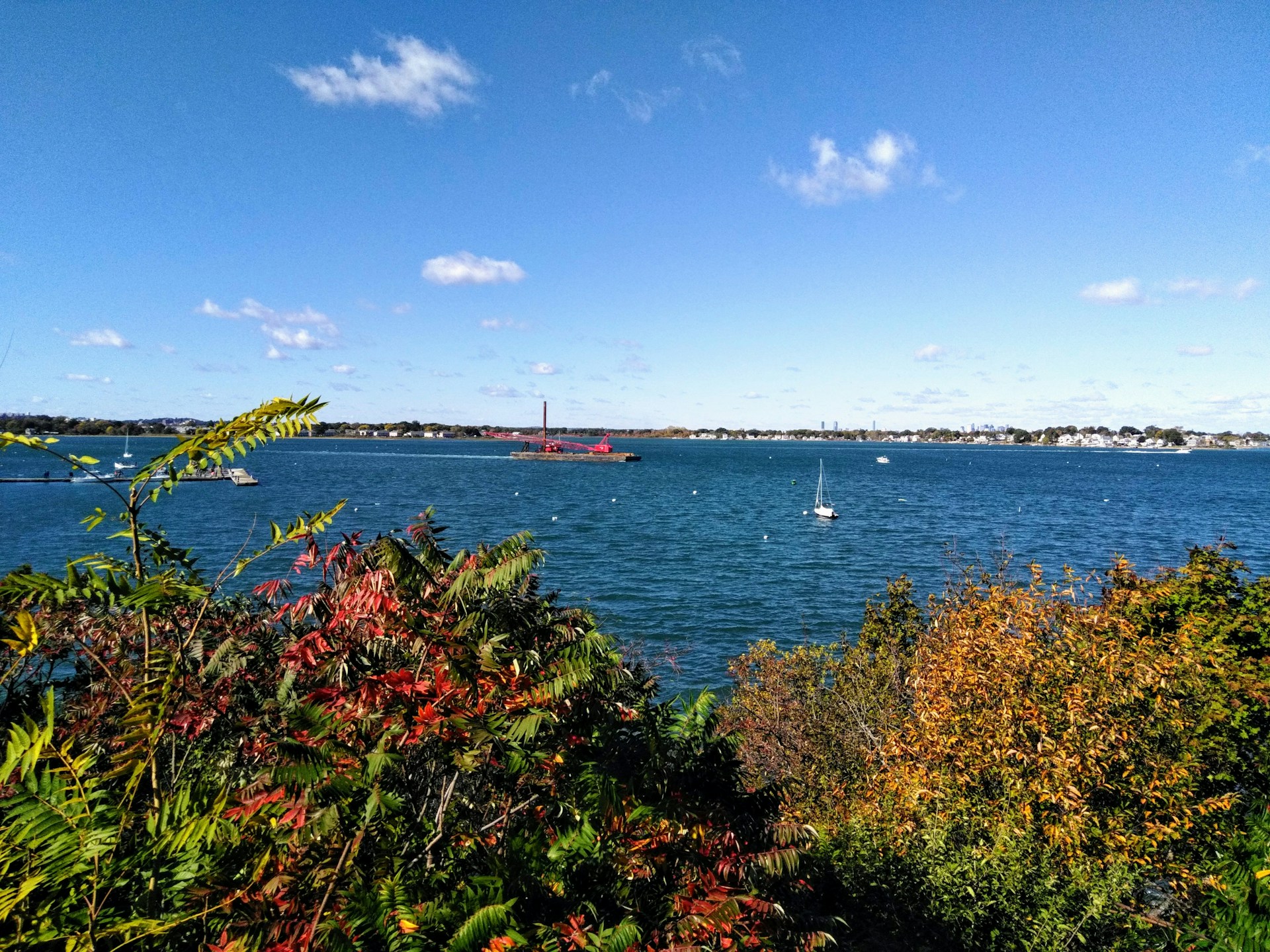
Ocean beaches and rocky shorelines
-
Gentle mountain ranges and hill country for hiking and camping
-
Coastal trails and marsh walks with lots of birdlife
-
Instead of trading one kind of nature for another, you’re basically getting a broader palette: lakes, sea, forests, small mountains, and rolling countryside, all in driveable range.

Travel & Connectivity: Launchpad for Short Trips and Big Adventures
What you’re used to in Minnesota:
A very good airport for domestic travel and road trips to neighboring states.
What Massachusetts offers for a travel-loving family:
-
Closer to many East Coast destinations.
Road trips or short train rides can take you to:-
Major cities, with big museums and cultural events
-
Charming small towns across several nearby states
-
Historic sites that tie into what your kids learn in school
-
-
Access to international travel.
Being near a major coastal airport often means:-
More flight options to Europe and other international destinations
-
Shorter flights to some places abroad
-
Simpler logistics for family vacations or visits to international relatives
-
-
Weekend-explorable radius.
Within a few hours’ drive you might have:-
Beach towns, mountain areas, and quiet countryside inns
-
Theme parks, water parks, or large science centers
-
Colleges to visit when your kids are older and thinking about their future
-
If you enjoy showing your kids the wider world, Massachusetts puts you closer to a cluster of varied destinations.

Walkability, Transit, and Growing Independence for Kids
What you’re used to in Minnesota:
Depending on where you live, often a car-based lifestyle, with some transit and bike paths around the Twin Cities.
What many Massachusetts towns add:
-
Classic walkable town centers.
In a lot of older New England towns:-
The library, school, playground, and local shops are near each other
-
Sidewalks and crosswalks are common in central areas
-
Kids can often walk or bike short distances as they get older
-
-
Public transit for teens and older kids.
In and around major cities, older kids and teens may:-
Take a train or subway into the city for events, internships, or classes
-
Meet friends in public places without needing a ride every single time
-
Learn to navigate schedules, maps, and independent transportation
-
-
Less pressure for a car at 16.
Because transit, biking, and walking are often more practical options:-
Teens may not need a car immediately to have social and academic lives
-
Parents may spend a bit less time driving everyone everywhere
-
This can be a big quality-of-life shift: same focus on safety and supervision, but more paths for kids to slowly gain independence.

Community & Culture: Libraries, Festivals, and Diverse Neighbors
What you’re used to in Minnesota:
Friendly people, community pride, and a strong tradition of outdoor and cultural events.
What Massachusetts can feel like, especially in more populated areas:
-
Lively libraries and community centers.
Family life often revolves around:-
Story times, craft days, and summer reading programs for kids
-
Teen book clubs, homework help, and study spaces
-
Parenting workshops, book talks, and local interest lectures
-
-
A mix of arts, sports, and festivals.
You’ll likely find:-
Youth sports leagues, from soccer and baseball to swimming and more
-
Music schools, dance studios, and theater groups for kids
-
Cultural festivals celebrating food, music, and traditions from around the world
-
-
More daily exposure to different backgrounds.
In many communities (especially around cities), your kids may:-
Go to school with classmates whose families come from many different countries
-
Hear different languages spoken casually around them
-
Learn to navigate and appreciate different traditions and viewpoints
-
You’re not leaving community behind—you’re stepping into a different flavor of community, with a bit more global mix woven into everyday life.

Career & Opportunity Ecosystem: Indirect but Real Family Benefits
What you’re used to in Minnesota:
Steady, reliable industries and good employers, especially in certain metro areas.
What Massachusetts can add:
-
High concentration of knowledge-based jobs.
Many fields have a strong presence:-
Technology and startups
-
Biotech and medical research
-
Higher education and research
-
Finance, consulting, and professional services
-
-
More options over a career lifespan.
For a family, that can mean:-
If one parent wants to change career direction, there may be more pathways close by
-
If a company downsizes, there might be more alternative employers nearby
-
Opportunities for remote or hybrid roles can pair well with a local ecosystem full of potential employers
-
-
Future opportunities for your kids.
Growing up in a place with many colleges, research centers, and companies can give your kids:-
Easier access to internships or summer jobs in a variety of fields
-
Role models in many professions, right in the community
-
A sense of what’s possible in science, tech, arts, and beyond
-
You’re not saying Minnesota lacks opportunity; you’re choosing a spot where the variety and density of opportunities might give your family even more long-term options.
Big Picture: Why the Move Can Feel Like “More of Everything” for a Family
From a family-oriented perspective, moving from Minnesota to Massachusetts can feel like:
-
Keeping the good foundations you already value—four seasons, kind communities, strong schools—
-
While gaining:
-
A denser network of educational and cultural experiences
-
A broad range of healthcare and support services
-
Coastal living and diverse outdoor landscapes
-
Easier access to travel and exploration
-
It’s less about “Minnesota is bad, Massachusetts is good,” and more about choosing a setting that turns up certain dials—education, variety, access, and cultural density—in ways that might align with how you want your family’s next chapter to look.