


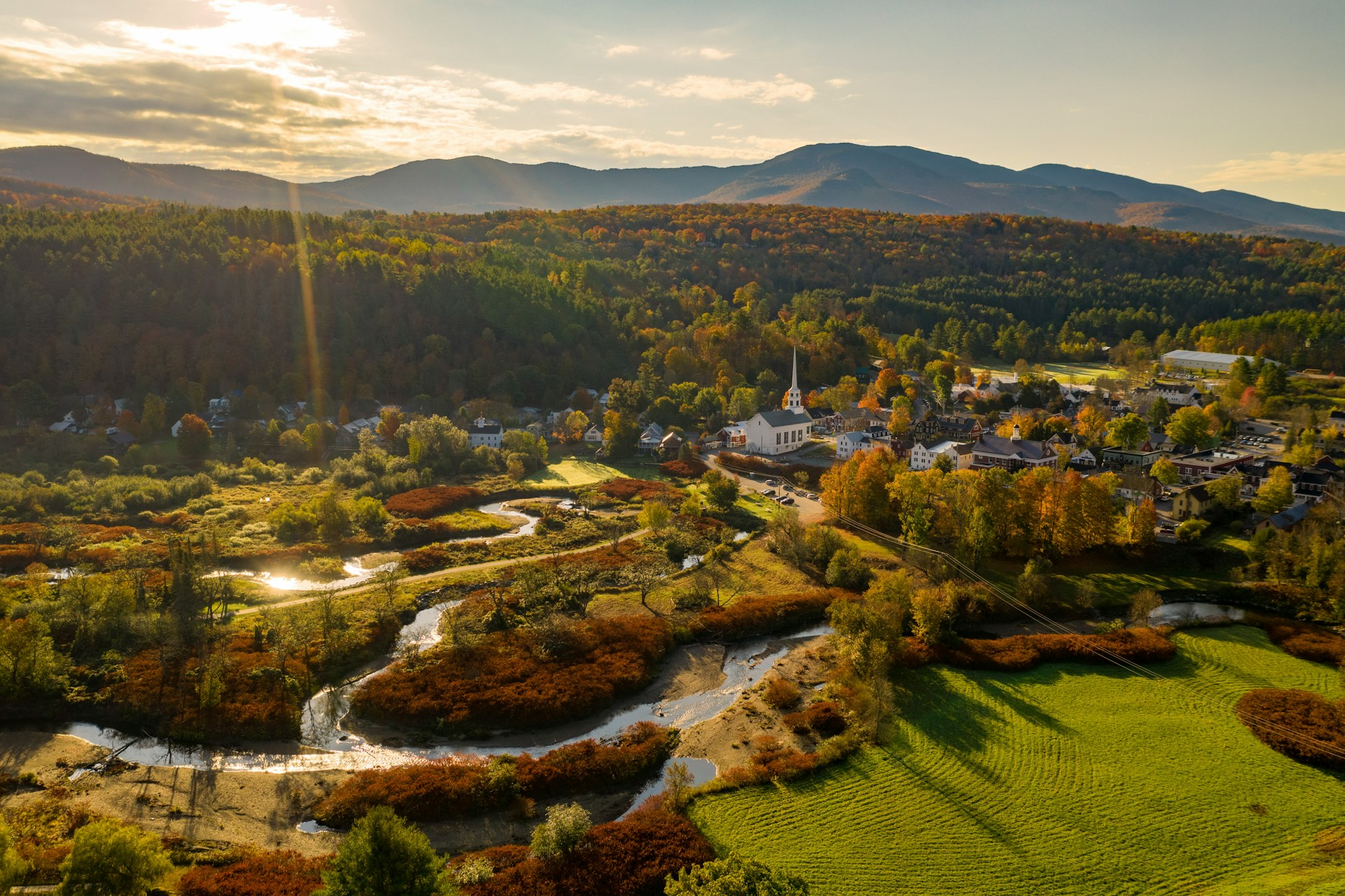
Slower pace and small-town feel
In many Vermont towns, life is naturally organized around the school, the town center, and a handful of locally owned businesses. Instead of driving through dense traffic to a big plaza, you might be pulling into a small general store where the cashier recognizes you and your kids after a few weeks.
-
Daily rhythm:
Morning drop-off can feel less hectic: smaller parking lots, fewer cars, and a familiar group of families you see every day. After school, it’s common for kids to play together in the same neighborhood or at the same town playground rather than everyone dispersing into different directions. -
Relationship-building:
Teachers, librarians, and local shop owners tend to know families by name because they see them repeatedly. That can create a sense that “the village” really is helping raise your kids. -
Compared to Massachusetts:
Massachusetts has plenty of lovely small towns too, but if you’re in or near a busier area, it can feel like you’re always rushing—commuting, squeezing in errands, navigating busy roads. Vermont’s smaller scale and lighter traffic often make the whole day feel less compressed, which can be a relief for a family juggling homework, meals, and extracurriculars.
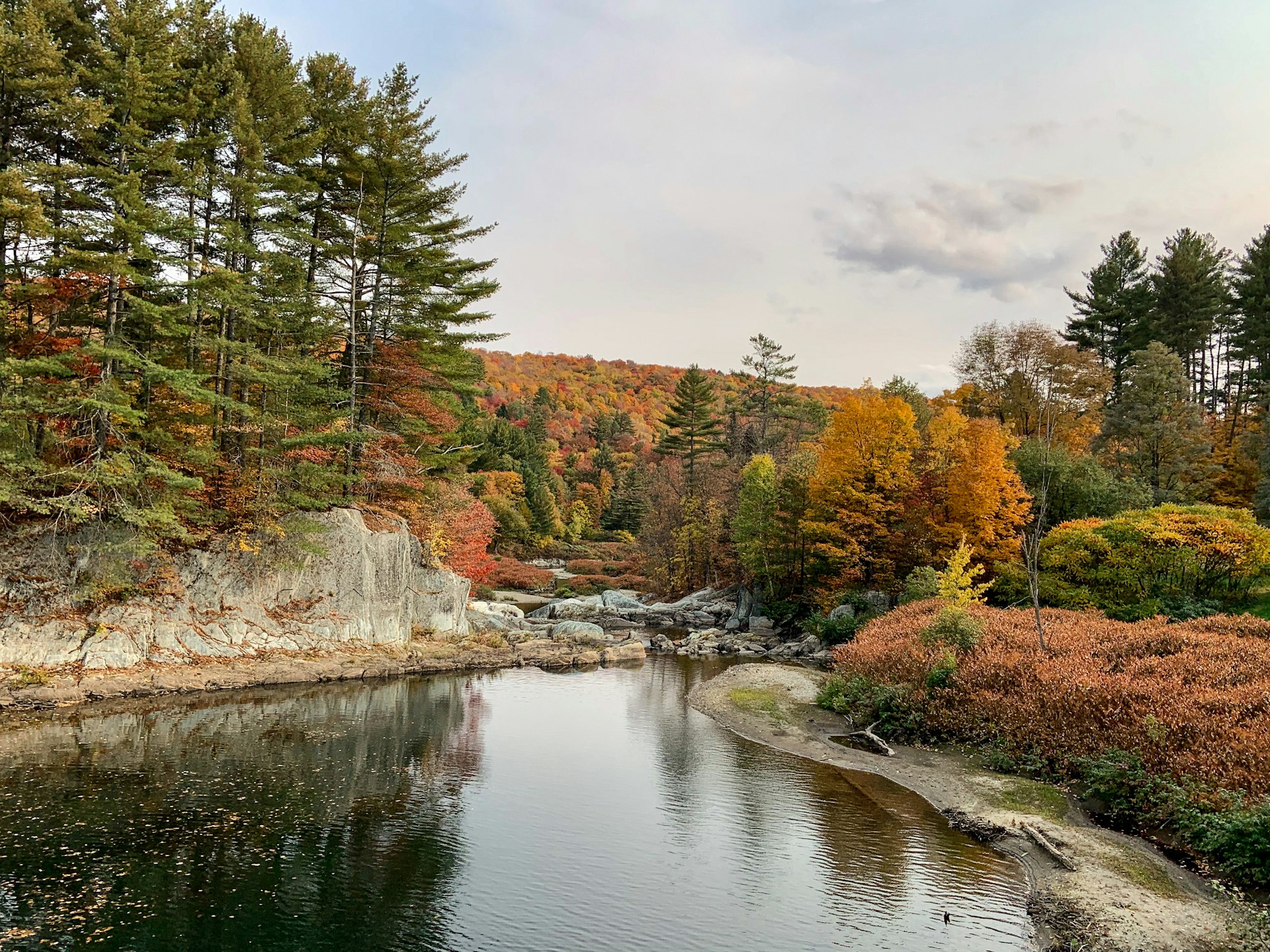
Easy access to nature as a default
In Vermont, the outdoors is often literally right outside your back door or just down the road. It’s not a “special trip”—it’s simply where life happens.
-
After-school options:
Instead of deciding whether it’s worth driving 45 minutes to a trail, you might have a short walk to a town forest, a field, or a riverbank where your kids can skip stones and explore. “Let’s go outside” doesn’t require planning, just a jacket and shoes. -
Weekend family time:
Family outings can be simple: a hike on a local trail, a picnic near a lake, or a walk up a hill to watch the sunset. Many families find their default weekend activity becomes “Where should we go outside today?” rather than “What mall or indoor activity should we drive to?” -
Kid development:
Growing up with regular exposure to woods, streams, and fields helps kids become comfortable outdoors. They learn things like reading trail signs, understanding weather, and respecting wildlife. Outdoor play also naturally reduces screen time without constant battles. -
Compared to Massachusetts:
Massachusetts has great outdoor spots, but often you’re competing with more people and heavier traffic, especially near major parks or beaches. In Vermont, nature tends to be quieter, less crowded, and closer to home, which makes it easier to say “yes” to outdoor time on an ordinary day.

More space for the money (in many areas)
Once you move away from Vermont’s most in-demand resort or college towns, many families find that their housing dollar stretches further than in much of Massachusetts.
-
Home setup:
You might be able to get a larger yard, more bedrooms, or a quieter road for a similar price to a more modest or more tightly packed home in a busy Massachusetts suburb. That extra space can be game-changing for a family—playrooms, home offices, guest rooms, and storage suddenly become realistic. -
Outdoor space:
A big yard means you can have a swing set, a trampoline, a vegetable garden, maybe even a small sledding hill in winter. Kids can burn off energy without needing a park trip every time. -
Noise and privacy:
Houses may be farther apart, with fewer cars passing by. That can mean more peaceful evenings and a greater sense of privacy, while still being able to wave to neighbors. -
Compared to Massachusetts:
Many parts of Massachusetts are high-demand and high-cost, especially if you want a reasonable commute to major job centers. In Vermont, your trade-off might be a longer distance to bigger cities, but the reward is often space, quiet, and a home that feels more like a retreat than a base camp.

Strong sense of community and local involvement
Vermont towns often rely heavily on community participation—people volunteer, show up, and help keep things running. That can be very welcoming for a family looking to put down roots.
-
Local activities:
You might see town potlucks, pancake breakfasts, school fundraisers, farmer’s markets, and holiday parades. The same faces appear across these events, creating a strong web of relationships over time. -
School connection:
In many places, the school is genuinely the heart of the community. Sports games, school plays, concerts, and fairs draw not just parents, but grandparents and neighbors who don’t even have kids in the school anymore. -
Volunteering:
There are often opportunities (and genuine need) for volunteers—helping with youth sports, library programs, conservation groups, or local festivals. This lets your kids see you participating and builds a sense of shared responsibility. -
Compared to Massachusetts:
You can certainly find this in Massachusetts, but larger populations can sometimes make life feel more anonymous. In Vermont, there are fewer people, so each person really matters—making your family’s presence and contributions feel especially meaningful.

Everyday family activities feel simpler
Because many Vermont communities are small and less congested, the day-to-day logistics of parenting can feel more manageable.
-
School and errands:
Drop-off and pick-up might involve a short drive on quiet roads, followed by a quick stop at a family-run grocery or farm stand. You’re not typically fighting multiple lanes of traffic or circling for parking. -
Kid activities:
Youth sports, music lessons, and clubs are often clustered in the same general area or at the school itself. That can mean fewer long drives and more evenings where you’re actually home together for dinner. -
Mental load:
When getting from A to B is straightforward and predictable, your mental bandwidth is freed up. You can focus more on how your kids are doing, not just on surviving the schedule. -
Compared to Massachusetts:
In busy parts of Massachusetts, a simple errand can stretch out because of traffic and crowds. A 20-minute drive on the map sometimes becomes 45 minutes in reality, which adds up over a week of parenting. Vermont’s lighter traffic and compact towns often reduce that friction.
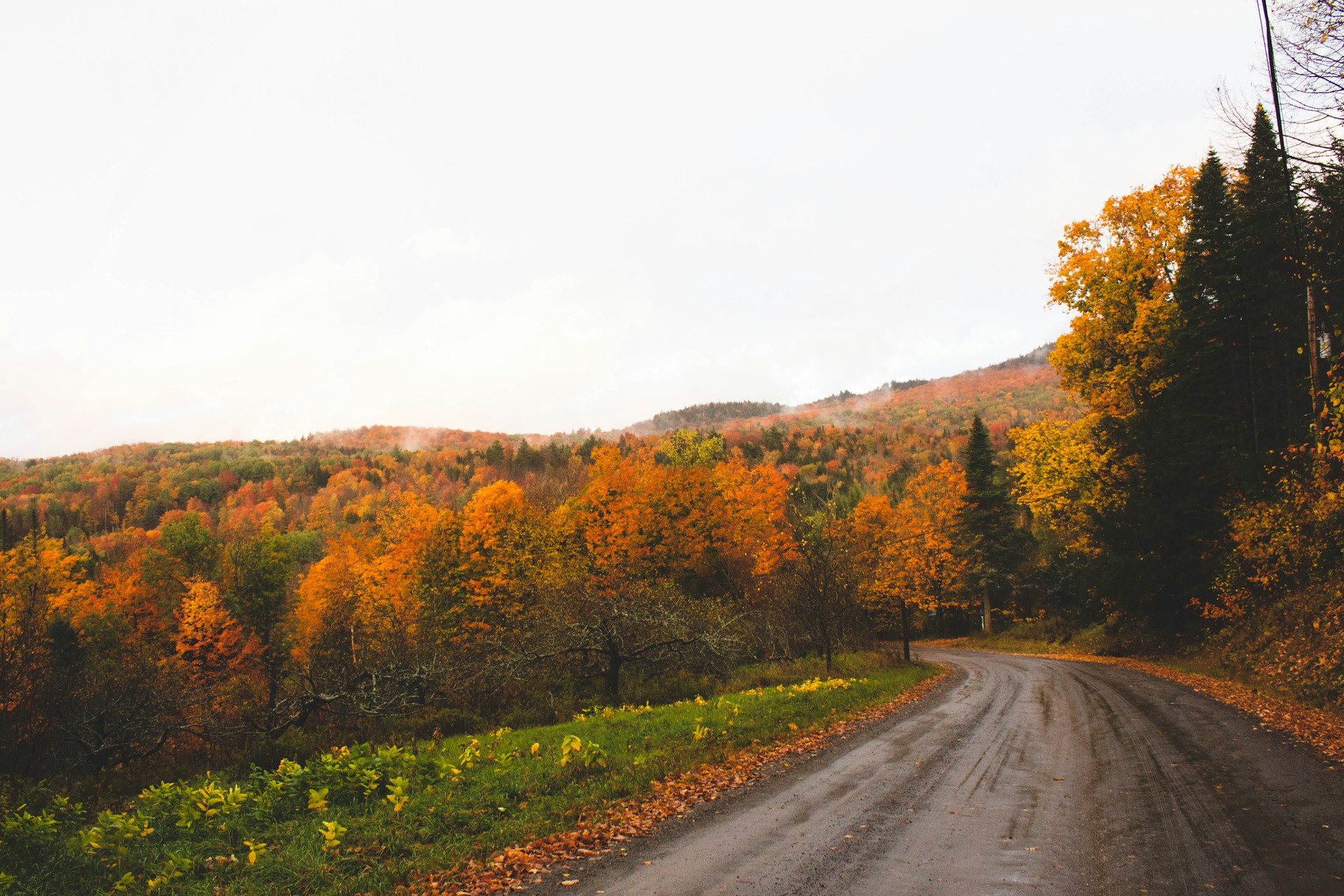
Four-season fun and traditions for kids
Vermont leans into all four seasons, which can help you build strong family traditions and memories.
-
Fall:
Leaf-covered trails, apple picking, hayrides, corn mazes, and pumpkin patches are all within reach. Weekends can easily be “let’s go pick apples and then bake a pie” instead of hunting for a seasonal event far away. -
Winter:
Snow is a big part of life, and it’s used, not just tolerated. Skiing, snowboarding, sledding, and pond skating become normal winter activities. Even simple things—like building snow forts in the yard or taking a walk after a snowfall—become rituals. -
Spring:
Sugaring season (making maple syrup) is a uniquely Vermont experience. Families visit sugarhouses, taste warm syrup, and watch the process. Children see the connection between trees, sap, and what’s on their pancakes. -
Summer:
Lakes, rivers, swimming holes, camps, and small-town fireworks and parades fill the calendar. Because many of these activities are close by and inexpensive or free, it’s easier to do them often, not just once or twice. -
Compared to Massachusetts:
Massachusetts experiences all four seasons too, of course. The difference is how central they become to everyday life. In Vermont, the whole community tends to arrange life around seasonal activities more visibly and enthusiastically, which can be especially magical for kids.

Local food and farm culture
Vermont has a strong culture around local farms, fresh produce, and dairy, and you feel that in daily life.
-
Fresh and local:
Roadside farm stands, farmers’ markets, and CSAs (farm shares) are common. You can pick up eggs, vegetables, and sometimes even meat or cheese from local producers regularly. -
Teaching moments for kids:
Visiting farms, seeing animals, and meeting the people who grow your food gives your kids a concrete sense of where things come from. It can also encourage them to try new foods because they’ve seen the source. -
Simple pleasures:
Getting a maple creemee (soft-serve ice cream made with maple syrup) after a hike or swim can become a family ritual. Berry picking in summer and choosing pumpkins in the fall are easy, recurring outings. -
Compared to Massachusetts:
Massachusetts certainly has farms and local food, but in many Vermont towns, the farm-to-table experience is baked into daily life rather than something you seek out only at special restaurants or seasonal farm visits.

Shorter lines, smaller crowds
One of the most tangible differences families notice is how often they aren’t standing in lines or dealing with crowds.
-
Errands and appointments:
Grocery stores, hardware shops, and other daily stops often have fewer people, which means shorter waits at checkout and less stress trying to keep kids entertained in a long line. -
Recreation:
Local swimming spots, smaller ski areas, and town events can feel more relaxed because there are simply fewer people to compete with for space. That can make everything feel more enjoyable and less draining. -
Kid-friendly environment:
For kids who get overwhelmed by noise and crowds, Vermont’s quieter, less hectic settings can be a big plus. It’s easier to keep track of little ones, too. -
Compared to Massachusetts:
In more populated parts of Massachusetts, crowds are part of most weekend activities—popular parks, beaches, and attractions can be very busy. In Vermont, you can often find fun outings that feel calm and spacious.

Opportunities for kids to be more independent
With fewer cars on the road, smaller school communities, and tight-knit neighborhoods, it can feel more comfortable to give kids increasing independence.
-
Walking and biking:
Older kids might walk or bike to a friend’s house, the library, or the town green. Parents often feel more at ease with this kind of independence in quieter areas. -
Exploring nature:
Kids can explore woods, fields, and streams near home within clear boundaries. They learn to navigate the environment, make decisions, and solve problems—valuable life skills. -
Confidence and responsibility:
When kids are trusted with small freedoms, like running a quick errand or biking to practice, they often rise to the occasion and develop confidence in themselves. -
Compared to Massachusetts:
Even in safe Massachusetts communities, heavy traffic, crowded areas, and busier roads can limit how much independence parents feel comfortable granting. Vermont’s slower pace and lower density often open up more options for age-appropriate freedom.

Lifestyle “reboot” opportunity
Moving to Vermont gives you a natural reset button: a chance to redesign how your family lives, not just where.
-
Rewriting routines:
You can build new habits around nightly walks, weekend hikes, game nights, or backyard fires. Without established patterns from your old town, you can be intentional about what you say “yes” and “no” to. -
Prioritizing what matters:
If your goal is more time together, more outdoor play, more unstructured afternoons, or less frantic scheduling, Vermont’s environment supports those choices. You’re surrounded by people who value similar things, which reinforces your new lifestyle. -
Family identity:
Over time, your family becomes “the ones who always go to the sugarhouse,” or “the family that organizes the neighborhood sledding party,” or “the people who host the big summer barbecue.” That shared identity can be really grounding for kids as they grow up. -
Compared to Massachusetts:
You can absolutely make intentional lifestyle changes anywhere, including Massachusetts. But a big move gives you a clean slate, and Vermont’s slower, more nature-centered environment naturally pushes life in the direction many family-oriented people say they want.
Still close to Massachusetts roots
One of the nice parts of moving from Massachusetts to Vermont is that you don’t have to give up everything you love about your old home.
-
Family and friends:
Visits are still doable by car—weekend trips or holidays back in Massachusetts are realistic. Grandparents, cousins, and old friends remain accessible, especially if they’re within a few hours’ drive. -
Favorite spots:
Beaches, museums, ballgames, and favorite restaurants in Massachusetts can become special destination outings rather than routine activities. That can actually make them feel more fun and memorable. -
Emotional transition:
Knowing you’re not “leaving forever” can make the move easier on kids (and adults). You can frame it as gaining a new home in Vermont while keeping strong ties to Massachusetts. -
Best of both:
You get your day-to-day life in a calmer, more nature-oriented setting, and you still have access to the cultural, educational, and recreational opportunities you enjoyed in Massachusetts. It’s more of an expansion than a replacement.