


More Space and a Calmer Pace
If you’re coming from a denser part of New York—especially New York City or inner-ring suburbs—the everyday feel of many Massachusetts communities can be a big shift in a good way.
-
Homes and neighborhoods:
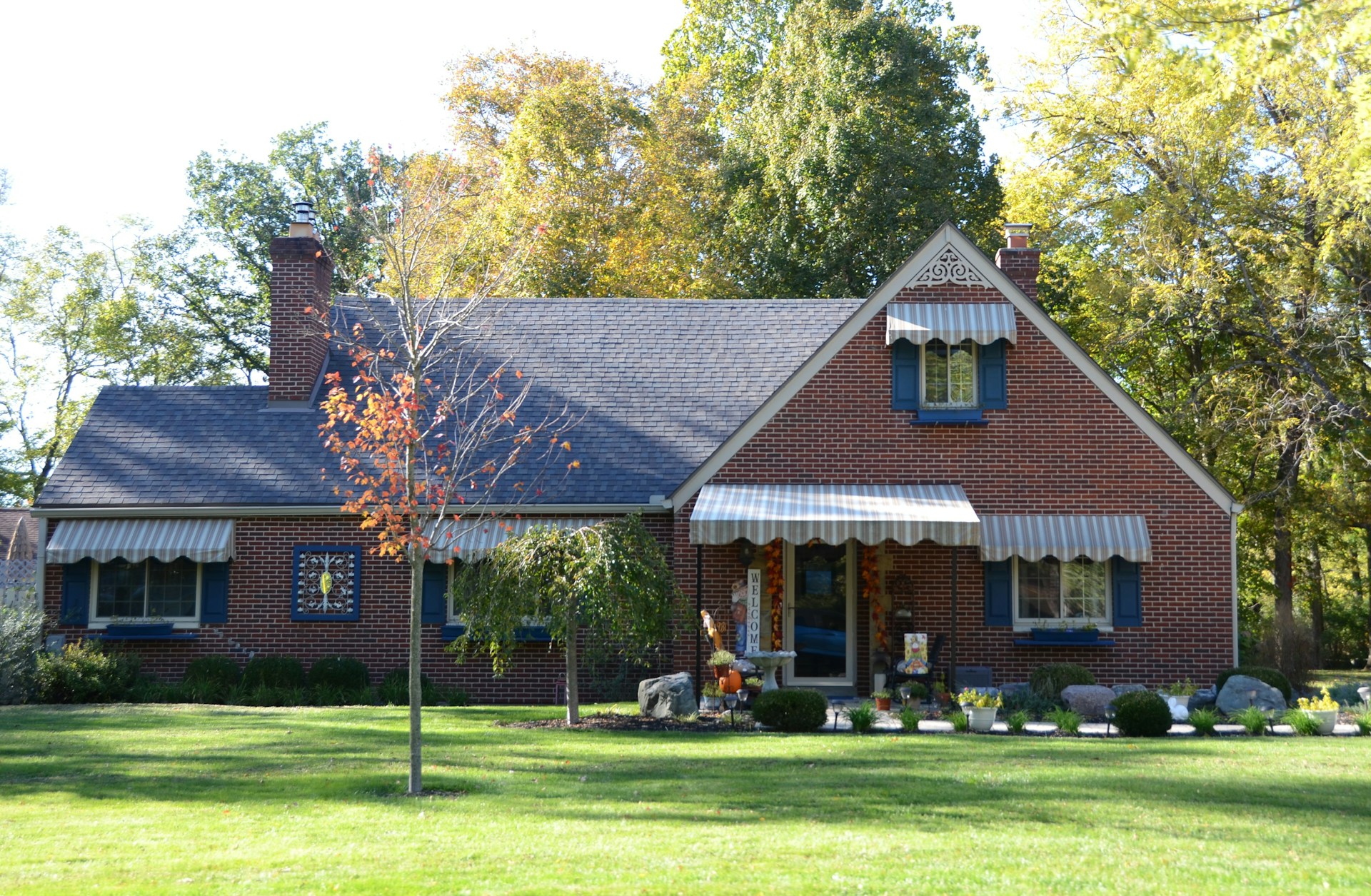
In a lot of Massachusetts suburbs and small towns, single-family homes with yards, driveways, and tree-lined streets are the norm. Even townhouses and condos often have a bit more space between buildings and quieter surroundings. That extra square footage can mean:-
Separate bedrooms for kids
-
A playroom or home office
-
A real dining area instead of a “table in the corner of the living room” situation
-
-
Outdoor play right at home:
Having a yard or a quiet cul-de-sac can be a game changer. Instead of planning a whole trip just to get the kids outdoors, they can:-
Ride bikes on the sidewalk
-
Chalk the driveway
-
Play tag or soccer in the yard
This can make your life easier too—less “packing up” for activities, more spontaneous play.
-
-
Noise and pace:
Even in commuter towns near Boston, the overall pace is often less intense. Nights are quieter, there’s less constant siren/traffic noise, and many people build routines around school, kids’ activities, and local events. You still have busy spots and traffic at rush hour, but the default environment is more low-key.
Family takeaway: You’re trading some of the energy and density of New York life for breathing room—literally and figuratively. Everyday tasks like bedtime, homework, and family dinners can feel less compressed by noise, crowds, and constant activity.

Strong Education Ecosystem
New York has fantastic schools, but Massachusetts has a statewide reputation for placing education right at the center of community life.
-
Public schools as community hubs:
Many towns in Massachusetts build their identity around their schools. You’ll see:-
Very active PTAs/PTOs
-
School concerts, plays, and fairs that the whole town attends
-
Sports games that feel like mini community festivals
Parents often choose a town specifically for the school system, which means you’re surrounded by other families who care about education and kid-focused activities.
-
-
Academic rigor and support:
It’s common to find:-
Strong AP/ honors programs at the high school level
-
Robust special education and support services
-
Well-maintained school facilities and active school libraries
This doesn’t guarantee perfection, but the baseline expectation of “good schools” is widespread.
-
-
Enrichment opportunities through nearby colleges:
The huge number of colleges and universities in Massachusetts creates:-
Summer camps on college campuses
-
Public lectures appropriate for older kids and teens
-
Museum partnerships (science, art, history)
-
Tutoring, music lessons, and language programs run by students or staff
Even if your kids are years away from college, they benefit from growing up around that educational ecosystem.
-
Family takeaway: Your kids are surrounded by a culture that treats learning as a normal, valued part of life. That’s good not just for grades, but for curiosity, motivation, and future opportunities.
Easy Access to Nature and Outdoor Adventures
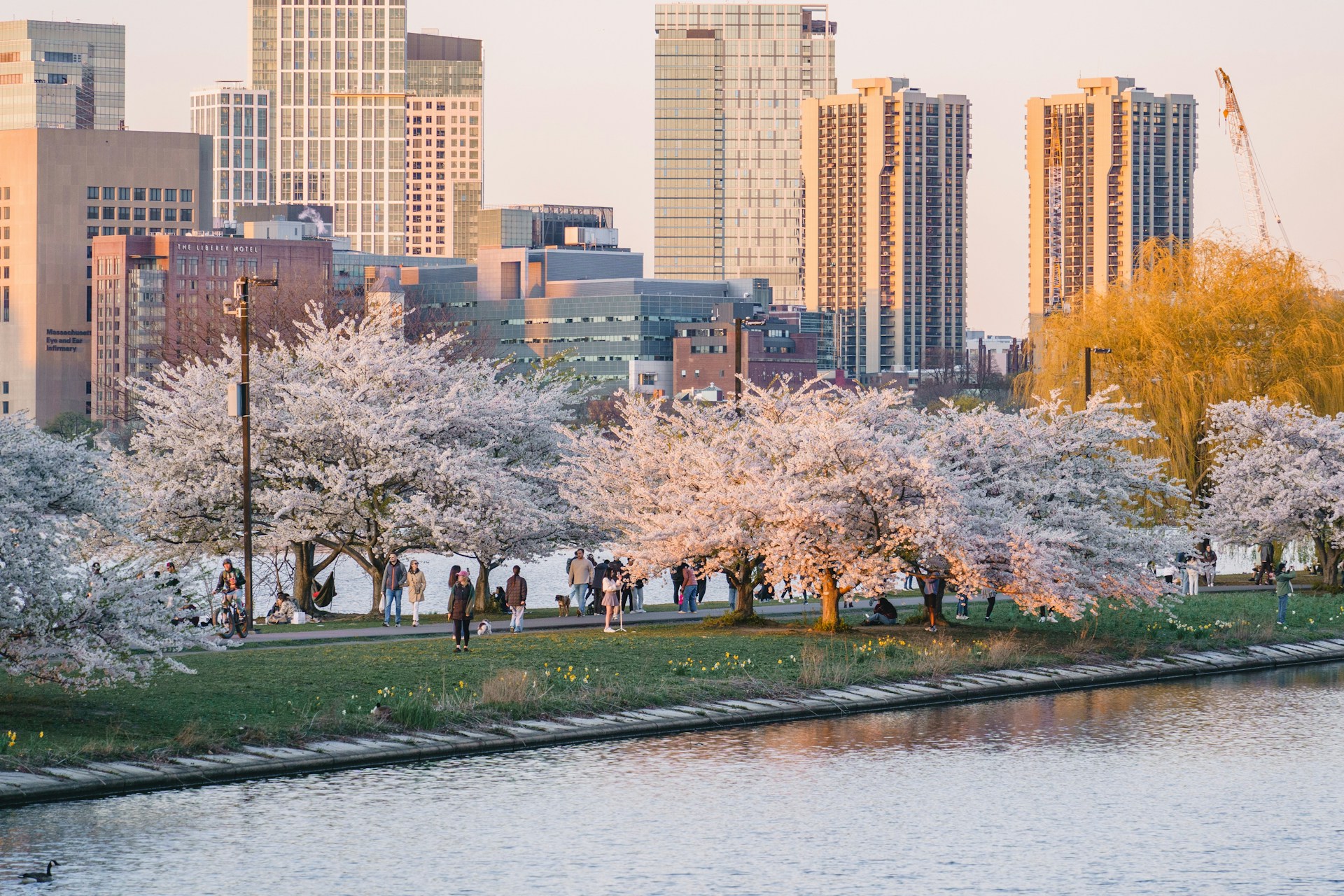
Both states are beautiful, but Massachusetts gives you a very convenient mix of coast, countryside, and mountains in a relatively compact space.
-
Beaches within reach:
Many families in Massachusetts have “their” beach—on the North Shore, South Shore, or Cape Cod. A typical family day might look like:-
Drive an hour or two, spend the day building sandcastles and swimming
-
Grab ice cream in a seaside town
-
Head home the same evening
You don’t have to plan a full-on vacation to enjoy the ocean; day trips are realistic.
-
-
Hiking and small mountains:
The Berkshires and central/western Massachusetts offer:-
Family-friendly hiking trails with varying difficulty
-
Scenic overlooks for leaf-peeping in the fall
-
Places to snowshoe or ski in the winter
These are great for introducing kids to hiking and nature without super-long drives.
-
-
Everyday green space:
Many towns have:-
Town forests and conservation land
-
Rail trails for biking and walking
-
Well-maintained local parks and playgrounds
That makes it easier to weave outdoor time into a regular weekday, not just weekends.
-
Family takeaway: It becomes very simple to say, “Let’s go outside and do something nice.” Fresh air and mini-adventures are always on the menu.
Family-Friendly Towns and Village Feel
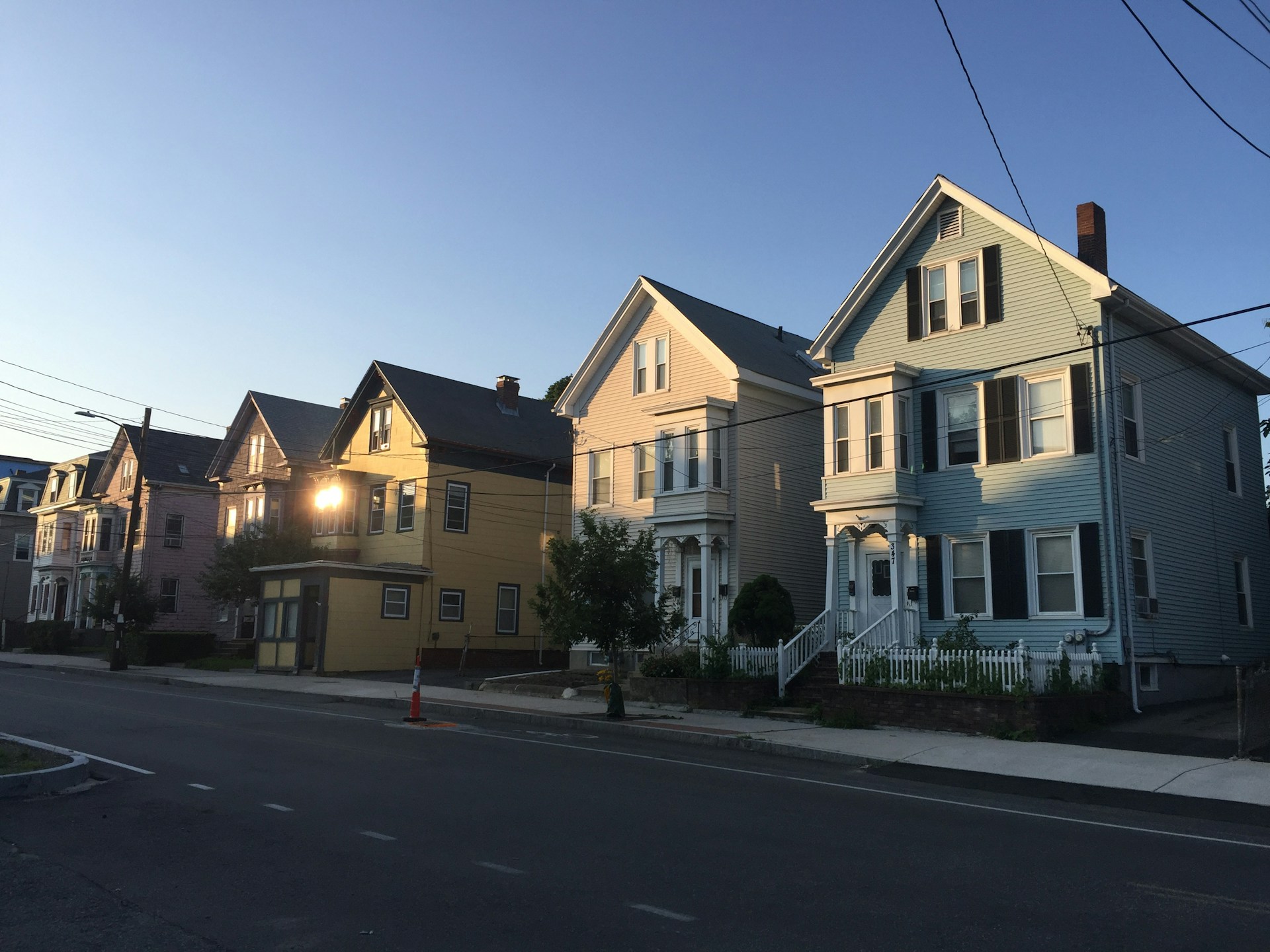
New York has charming towns too, but in Massachusetts, that classic New England small-town look and feel is very common.
-
Walkable town centers:
Many communities have:-
A central green or “common”
-
A library within walking distance of coffee shops and ice cream places
-
Small local businesses instead of only large shopping centers
This makes simple family outings easy: walk into town, grab a snack, visit the library, let the kids run around on the common.
-
-
Tight-knit communities:
Because so many towns are built around a central area and a few schools, people tend to cross paths frequently:-
You see the same parents at the playground, school, and soccer games
-
Local shop owners recognize families
-
Town Facebook groups or newsletters keep everyone in the loop on events
For kids, this consistency can feel very safe and comforting.
-
-
Year-round community events:
Think:-
Holiday strolls and tree lightings
-
Summer concerts or movie nights outdoors
-
Town fairs, road races, and charity events
These traditions help kids feel rooted—“This is what we do every year”—and give adults an easy way to socialize.
-
Family takeaway: It’s a great environment if you like knowing your neighbors, bumping into friends around town, and feeling that your family is part of a real community fabric.

Work–Life Balance Possibilities
This depends on your career, of course, but the structure of work and geography in Massachusetts can support a more balanced family life.
-
Commute patterns:
If you’re coming from a long New York commute—especially into Manhattan or another big city center—some Massachusetts setups may offer:-
Shorter drives
-
Commuter rail options into Boston
-
Jobs located in suburban office parks or tech/biotech clusters
Shortening your commute by even 20–30 minutes each way adds up to a lot more family time over a week.
-
-
Industries with flexible culture (varies by employer):
Fields like tech, biotech, education, and healthcare are very present in Massachusetts. Many employers in these spaces:-
Offer some level of hybrid/remote work
-
Understand family responsibilities, especially in school districts where many employees are parents too
This can mean fewer evenings stuck late in the office and more flexibility for school events.
-
-
Schedules that match family rhythms:
Living in a community where many people are on a similar “school-age family” schedule can help:-
Kids’ activities are often scheduled at family-friendly times
-
Employers in those communities may be more understanding of school pick-ups, recitals, etc.
-
Family takeaway: You may find it easier to realign your life so you’re not always racing the clock—more presence at home, more chance to be involved in your kids’ day-to-day lives.

Rich Cultural Life That’s Easy with Kids
You’re not giving up cultural opportunities by leaving New York; you’re trading a gigantic scene for a more compact but still rich one.
-
Kid-friendly museums and attractions:
In and around Boston and other cities, you’ll find:-
Science and children’s museums designed with hands-on exhibits
-
An aquarium, zoos, and historic ships
-
Art museums with family programs and special kids’ days
These often feel less overwhelming and easier to navigate with smaller children than massive institutions.
-
-
History you can touch:
Massachusetts is full of sites tied to early U.S. history and literature. That means:-
Walking tours in old city centers
-
Historic homes and battlefields
-
Living history museums where kids can see reenactments and period activities
This can bring your kids’ school lessons to life in a very tangible way.
-
-
Local performance and arts programs:
Many towns have:-
Youth theater groups
-
Dance schools, music schools, and community orchestras
-
Summer concerts on the town common
Your kids can participate in the arts or just enjoy the performances without needing to travel far or navigate huge venues.
-
Family takeaway: You still have access to “big city” culture, but family outings can feel more manageable, less expensive, and less stressful logistically.

Strong Healthcare and Child-Focused Services
Good healthcare exists in both states, but Massachusetts is particularly known for its concentration of medical resources.
-
High-level hospitals nearby:
If you live within reach of Boston or another larger city, you often:-
Have major hospitals within a short drive
-
Can access specialists for pediatric care, cardiology, neurology, etc.
This can provide peace of mind, especially if anyone in the family has specific medical needs.
-
-
Pediatric focus:
Many communities have:-
Dedicated pediatric practices
-
Pediatric urgent care options
-
Easy referrals to higher-level care when necessary
This makes it easier to stay on top of regular checkups and handle illnesses without major travel.
-
-
Support services:
For children who need extra support—speech therapy, occupational therapy, mental health resources—you can often find:-
Local providers working with schools
-
Private practices that understand school schedules and family constraints
-
Family takeaway: Knowing that strong medical care is nearby can lower background stress for parents and make it easier to focus on everyday life.

Seasonal Experiences and Traditions
Both New York and Massachusetts have four seasons, but New England really leans into making them part of family culture.
-
Fall traditions:
Fall in Massachusetts is practically a lifestyle:-
Apple picking at local orchards
-
Pumpkin patches and hayrides
-
Corn mazes, harvest festivals, and leaf-peeping drives
These activities are simple, affordable, and incredibly kid-friendly—perfect for building annual family traditions.
-
-
Winter fun:
While winter can be cold, families often embrace it:-
Sledding on local hills
-
Ice skating on ponds or rinks
-
Short trips to ski areas, even for beginners
Many towns also have holiday lights, tree lightings, and winter celebrations.
-
-
Spring and summer:
As the weather warms:-
Playgrounds and parks fill up
-
Little league, soccer, and other youth sports are everywhere
-
Beaches and lakes become regular weekend destinations
There’s a clear rhythm: each season brings its own set of family activities.
-
Family takeaway: The changing seasons give your kids a sense of time and tradition—“this is what we do in fall, winter, spring, summer”—which can be really grounding and fun.

Potential Cost-of-Living Advantages (Depending Where You’re Coming From)
This varies a lot by exact locations, but many families moving from high-cost areas of New York find attractive trade-offs in Massachusetts.
-
More home for your budget (in many areas):
Outside the most expensive Boston suburbs, you can often:-
Get more square footage
-
Have outdoor space
-
Have parking without paying extra or fighting for street spots
If you’re moving from a small apartment in a very pricey market, this can be a major lifestyle upgrade.
-
-
Different “everyday cost” mix:
Some costs may still be high, but you might see savings in:-
Parking and transportation, if you’re not relying on expensive city garages or long-distance commuting
-
Certain types of childcare or activities, depending on town
-
Groceries and errands, if you’re not paying premium prices in dense urban cores
-
-
Room for kids’ activities:
A bit more financial breathing room can make it easier to:-
Enroll kids in sports, music lessons, or camps
-
Take short family trips around New England
-
Invest in things like backyard playsets or bikes
-
Family takeaway: While both states have expensive areas, relocating thoughtfully within Massachusetts can allow your family to stretch its budget into more space and more activities for the kids.

A Fresh Start That Still Feels Familiar
Emotionally, this might be one of the biggest reasons to move.
-
New chapter without total upheaval:
You’re still in the Northeast:-
Similar weather, holidays, and general culture
-
People have comparable attitudes and lifestyles
So your family doesn’t have to adjust to an entirely different region of the country.
-
-
Excitement for kids, stability for parents:
For kids, a move means:-
New school, new friends, new places to explore
-
A chance to “start fresh” socially if they need it
For parents, Massachusetts offers enough familiarity that you’re not reinventing your entire life from scratch—just improving your setup.
-
-
Building your own traditions:
As you settle in, you’ll:-
Discover “your” favorite beach, playground, and ice cream place
-
Create go-to holiday activities and seasonal rituals
-
Meet families who become part of your support network
Over time, Massachusetts stops feeling like “the new place” and starts feeling like “home.”
-
Family takeaway: You keep the core of what you like about East Coast life, but shift into an environment that may be better aligned with your priorities as a family-oriented person: space, schools, community, and balance.