


Everyday life with nicer (or at least milder) winters
For many families, winter is the season that most affects routines: school drop-offs, commutes, weekend plans, and how much you can actually let kids run around outside.
In much of western Washington (like Seattle, Tacoma, Olympia, Bellingham):
-
Winters tend to be cool and wet, but not brutally cold.
-
You’ll usually see more rain than snow, and when it does snow, it often doesn’t stick around for weeks.
-
Ice and nor’easter-style storms are generally less intense than what you might be used to in Massachusetts.
How that can feel like an upgrade in day-to-day life:
-
School disruptions: Fewer long stretches of snow and ice can mean fewer days of shoveling your car out, dealing with icy sidewalks, and worrying about long, difficult drives.
-
Outdoor play: Even in winter, you can often still:
-
Take kids to the playground in warm coats and boots
-
Go for family walks on local trails
-
Get sunlight and movement instead of staying indoors for months
-
-
Energy and mood: Cloudy and rainy days are common, but temperatures that hover in the 40s (rather than deep freezes) can make it easier to:
-
Get kids out the door
-
Stick to family routines like weekend outings and after-school activities
-
Massachusetts winters definitely have their charm—sledding, snowmen, cozy snow days—but if the intensity of the cold and snow has felt draining, Washington’s milder coastal climate can make winter feel more manageable rather than something you “battle” every year.
Big upgrade in “backyard adventure”: mountains, ocean, and forests
One of Washington’s biggest selling points for a family is the sheer variety of epic nature close by. Instead of planning big, once-a-year trips to see mountains or dramatic landscapes, those becomes regular weekend options.
What “backyard adventure” looks like in Washington:
-
Mountains within a day trip:
-
Family-friendly hikes with well-marked trails and viewpoints
-
Short scenic walks suitable for toddlers and strollers in some areas
-
Older kids can progress to more challenging trails as they grow
-
-
National and state parks:
-
Forests with huge evergreens that feel magical for kids
-
Waterfalls, rivers, and alpine lakes that turn a simple picnic into a “wow” experience
-
Opportunities for camping or cabin stays where you can truly unplug
-
-
Water everywhere:
-
Lakes and rivers for swimming, paddling, or throwing rocks on the shore
-
Ferries you can ride just for fun (kids love boats)
-
Beachcombing on rocky shores for shells, driftwood, and tidepool creatures
-
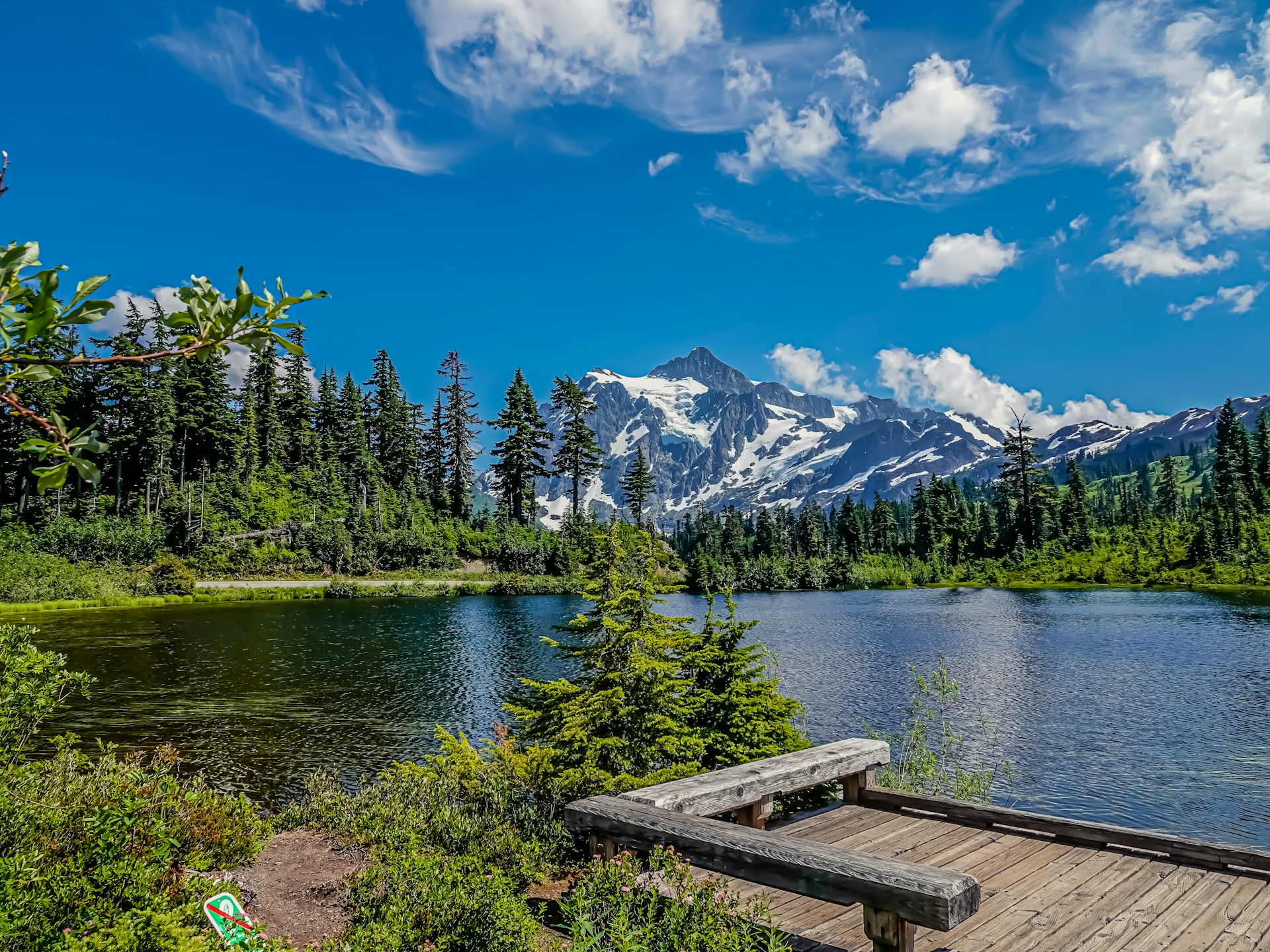
Compared to Massachusetts’ more gentle terrain, Washington gives you “big scenery” as a regular part of life: snow-capped peaks, dramatic coastlines, deep green forests. For kids, that can translate to a childhood full of mini adventures that don’t require long flights or expensive trips.

Strong job market in family-relevant industries
For a family-oriented move, money and career stability matter just as much as scenery. Washington, especially in and around Seattle and its suburbs, has a rich mix of industries:
-
Technology and software
-
Aerospace and engineering
-
Healthcare and medical research
-
Education and public services
-
Logistics and trade due to its coastal and border location
How that can benefit a family:
-
More options for both parents to find satisfying work, which can reduce stress around “what if my job changes?”
-
A higher likelihood of:
-
Flexible or hybrid roles that let parents attend school events or handle pickups
-
Family-friendly benefits such as good health coverage, parental leave, and wellness programs
-
Massachusetts has excellent job markets too (education, healthcare, biotech), but Washington can offer:
-
Different career directions if you’re in tech or related fields
-
A strong ecosystem of companies where remote work is normalized, helping you design a day that works better with kids’ schedules
-
A chance to rebalance roles if one parent wants a more flexible job while the other pursues something demanding
A move isn’t just about changing states—it’s an opportunity to reshape how your work life and family life fit together.
Family-friendly suburbs and communities
Washington has many communities where the everyday rhythm supports family life: kids biking in cul-de-sacs, weekend sports, neighborhood barbecues, and easy access to nature.
What you might find in Washington suburbs:
-
Neighborhood layouts that favor families:
-
Quiet residential streets
-
Sidewalks or trails for walking and biking
-
Local parks, playgrounds, and sports fields
-
-
Good school districts (varies area by area):
-
Public schools with active PTAs and parent communities
-
Access to specialized programs, clubs, and extracurriculars
-
-
Community infrastructure:
-
Public libraries with story times, homework programs, and teen events
-
Community centers offering swimming, classes, youth sports, and family activities
-
Local farmers’ markets and seasonal events (pumpkin patches, holiday lights, etc.)
-
Compared to some dense or older areas of Massachusetts, you might notice:
-
More modern housing developments and townhomes, often designed with garages, open-plan living spaces, and nearby parks in mind.
-
A blend of suburban quiet with city access, where you can commute into a metro center but still come home to a calm environment.
For many families, this balance—peace at home, excitement within driving distance—is the sweet spot.

Learning experiences and enrichment for kids
A move to Washington can open up a whole new category of real-world learning that’s very tangible for kids.
Nature and science become hands-on:
-
Volcanoes and mountains:
-
Kids can actually see (or visit) volcanic peaks and learn about geology in a way that feels real, not abstract.
-
Ranger-led programs and visitor centers turn day trips into “field lessons.”
-
-
Marine life and ecosystems:
-
Tidepooling for starfish, crabs, and anemones
-
Whale watching opportunities in some areas
-
Learning about salmon runs, forests, and watersheds
-
-
STEM and innovation culture:
-
Museums focused on aviation, technology, and hands-on experiments
-
Coding camps, robotics clubs, maker spaces, and STEM-focused programs that tap into the regional tech scene
-
This complements what Massachusetts offers (rich American history, colonial sites, revolutionary landmarks) by shifting the emphasis towards natural science, technology, and environmental awareness.
For your kids, that can mean:
-
Growing up comfortable in both digital and natural worlds
-
Seeing science not only in textbooks but in hikes, beaches, and everyday surroundings
-
Having a strong sense of how the environment and technology intersect

Active, outdoorsy lifestyle
Washington’s culture leans into being active outside, and families often plug right into that rhythm.
What everyday life might look like:
-
Regular family hikes on weekends instead of just trips to the mall
-
Biking on local trails or around lakes
-
Kids joining ski school, climbing clubs, or outdoor-based camps
-
Parents meeting friends not only for dinners, but for walks, runs, and paddles
This lifestyle can support:
-
Long-term health habits for kids: activity becomes just “what we do,” not a chore.
-
Strong family bonding: shared adventures, campfires, day trips, and traditions like “first hike of the season” or “annual cabin weekend.”
-
Mental well-being: a lot of green space, big views, and fresh air can help both adults and kids decompress from school and work.
Massachusetts definitely has great outdoor options too, especially in fall and along the coast. Washington just makes it especially easy to have something adventurous yet accessible available almost every weekend of the year.

Cultural variety and new experiences
While staying safely away from politics, there’s plenty to say about Washington as a place where your family can experience a wide range of cultures and lifestyles.
What that might look like for your family:
-
Food:
-
Restaurants and markets offering cuisines from all over the world
-
Opportunities for kids to try new foods and learn about different cultures in a fun way
-
-
Festivals and events:
-
Cultural festivals with music, dance, and traditions from various communities
-
Night markets, art walks, and neighborhood fairs
-
-
Community diversity:
-
Kids going to school with classmates from many backgrounds
-
Exposure to different languages, holidays, and family traditions
-
This isn’t to say Massachusetts is lacking in culture—Boston and its surroundings are rich and vibrant. But the West Coast flavor of Washington, influenced by Pacific, Asian, and international communities, gives your kids a somewhat different set of experiences and role models as they grow up.

Travel and vacation launching pad
When you change coasts, you also change the map of “easy trips.”
From Washington, family vacation and weekend getaway options shift in a fun way:
-
Road trips within the state:
-
Coastal towns, islands, and beaches for relaxing weekends
-
Mountain towns for snow days or summer lake trips
-
Forest cabins where you can unplug and let the kids roam outside
-
-
Regional getaways:
-
Oregon: more coastlines, forests, and a major city to explore
-
Idaho and Montana: lakes, mountains, and national parks
-
Canada: cities, islands, and different cultural flavor just a drive or ferry away (with proper documents, of course)
-
-
Flight options:
-
Shorter flights to places like Alaska, Hawaii, and West Coast cities
-
Great launching point if your family ever considers trips across the Pacific in the future
-
Massachusetts is wonderful for New England road trips and East Coast travel. Washington simply changes the menu of options, giving your family new regions, landscapes, and cultures to explore together.

A fresh start that still feels grounded
On top of all the practical reasons, there’s the emotional side of starting a new chapter as a family.
What a “fresh start” in Washington can mean:
-
Rewriting routines:
-
You can intentionally design new habits: weekly hikes, monthly family outings, Sunday brunch at a favorite café, game nights, etc.
-
A move is a natural time to reassess schedules and make them more family-centered.
-
-
Shared adventure:
-
Instead of only adults carrying the stress of the move, the whole family can frame it as “our adventure.”
-
Kids can help choose weekend destinations, new local spots, and traditions.
-
-
Dual-home identity:
-
Massachusetts can remain a special place for you—holidays, trips back, stories about your past.
-
Washington becomes the stage where this phase of your family’s life unfolds: new friendships, new schools, new sports teams, new memories.
-
You’re not rejecting your old home; you’re choosing a new environment that better matches who your family is now and how you want to live going forward.