







 Verified


 Verified


 Verified



 Verified


 Verified





 Verified


 Verified



 recommends
recommends 
recommends 


 Verified

 Verified
recommends 


recommends 


recommends 
recommends
recommends
recommends 


recommends 
recommends 


recommends 
recommends 
recommends 

recommends 


recommends
recommends
 Home Advisor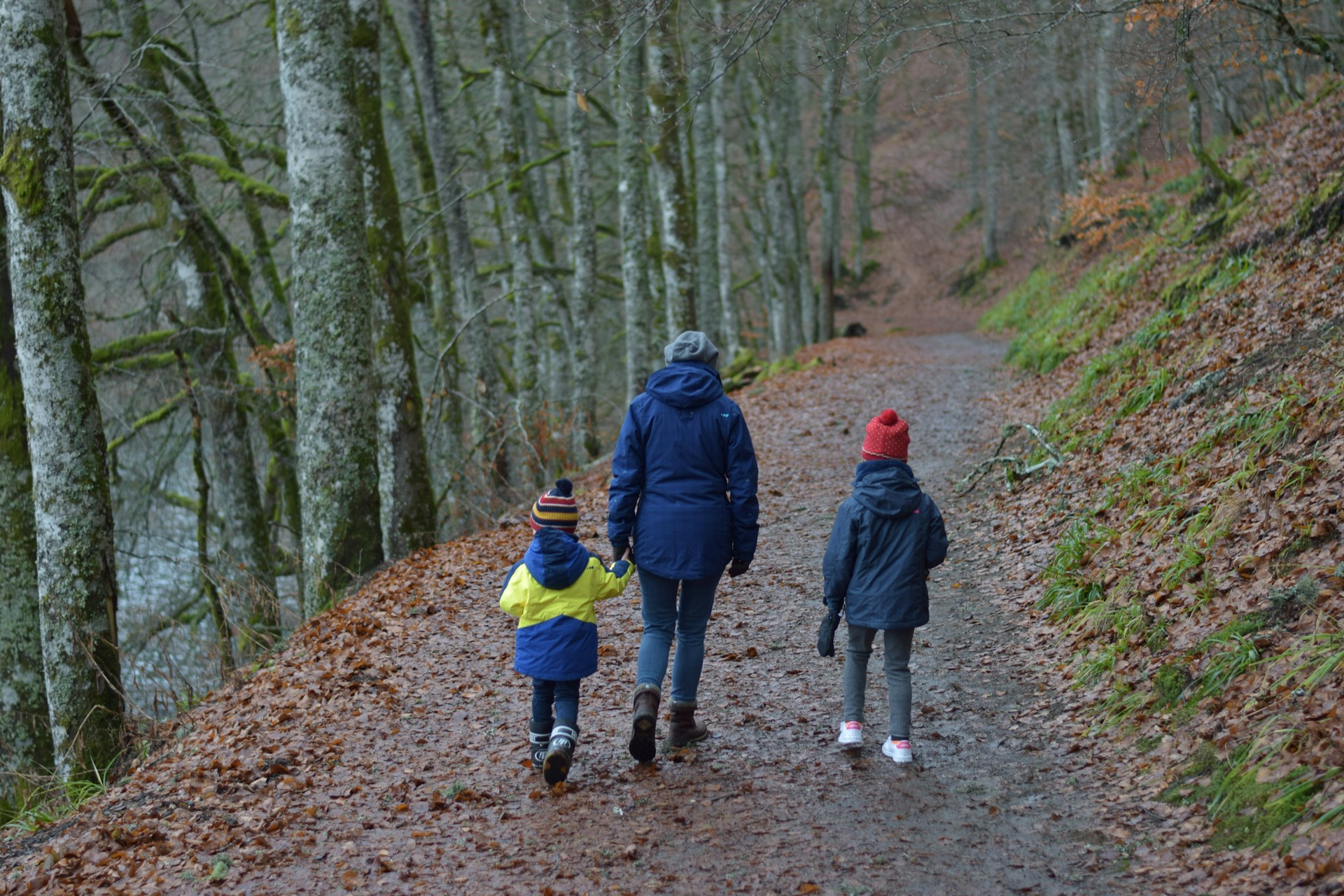
Everyday access to big, varied nature
Oregon’s strengths
In Oregon, it’s surprisingly easy to make nature part of your regular family routine instead of a “special event.”
-
Coast within reach: From much of western Oregon, the Pacific coast is a realistic day trip or simple overnight. You get tide pools, wide sandy beaches, dramatic cliffs, and coastal towns with playgrounds, ice cream shops, and casual restaurants that welcome kids in sandy clothes.
-
Mountains and forests: The Cascades offer kid-friendly hikes, sledding areas, ski resorts, lakes for swimming or kayaking, and campgrounds. Many trails have short loop options for younger children and more challenging branches for older kids or teens.
-
Rivers and lakes: There are lots of places to wade, skip rocks, paddle, or just sit by the water. This makes it easy to say, “Let’s go to the river for a couple of hours” instead of needing a fully planned trip.
-
High desert and unique geology: If you’re in or near central or eastern Oregon, you get a completely different landscape—sagebrush, open skies, rock formations, and starry nights. That variety can be really fun for curious kids.
How this can feel like an upgrade from Massachusetts
Massachusetts has gorgeous spots—Cape Cod, the Berkshires, North Shore beaches, and easy access to other New England states. But:
-
Getting to the “big” scenery often means more traffic, more tolls, and more advance planning, especially on summer weekends.
-
Once you’re there, it can feel more crowded and structured: reservations, parking passes, long lines, and so on.
In many parts of Oregon, the same level of natural “wow factor” is available with:
-
More spur-of-the-moment trips
-
Less time sitting in traffic
-
A feeling that the outdoors is simply part of everyday life, not an occasional escape

Milder winters in many areas
(Focusing on western Oregon, not the higher-elevation or eastern parts.)
Oregon’s climate advantages for families
-
Cool, wet winters instead of long deep freezes: Temperatures are often chilly but not brutal. It’s more common to see rain than heavy snow in lower elevations.
-
Less shoveling and scraping: You’ll still get some winter weather, but for many families it’s a big relief to have fewer big snowstorms disrupting school and work.
-
More “yes” days outside: Instead of months where it’s simply too cold or icy for little kids to enjoy being outdoors, you get a lot of “Put on rain boots and a jacket, and we’re good” days.
This means things like:
-
Short walks after dinner even in January
-
Weekend nature walks that don’t require snow gear
-
Kids able to burn off energy on playgrounds for more of the year
Compared with Massachusetts
Massachusetts winters can offer charming snow days and cozy scenes—but they also bring:
-
Frequent storms that can shut down plans, schools, and commutes
-
Extended stretches of cold that make prolonged outdoor time uncomfortable for little kids
-
More logistical stress: shoveling, snowblowing, roof raking, and longer commutes
Oregon doesn’t eliminate winter, but the type of winter in many areas is often easier to live an active family life in.

A strong “outdoor kids” culture
What this looks like in Oregon
-
Normalizing muddy, adventurous kids: You’ll see families out with kids in all kinds of weather—raincoats, muddy boots, backpacks, bikes. No one blinks at a child showing up a little dirty from the trail or playground.
-
Outdoor education programs: Many schools and community groups include:
-
School gardens
-
Nature-based preschools or forest school days
-
Field trips to local parks, farms, rivers, or environmental centers
-
-
Youth sports and activities tied to nature: Beyond traditional sports, kids can get into:
-
Skiing or snowboarding
-
Mountain biking
-
Rock climbing (indoors and out)
-
Kayaking or paddleboarding
-
Hiking clubs and outdoor camps
-
There’s an expectation that kids will experience and learn from the natural world, not just read about it.
How this can feel like a step up from Massachusetts
You absolutely can raise outdoorsy kids in Massachusetts. However:
-
Weather and snow often mean a shorter practical season for certain outdoor hobbies.
-
Some outdoor options may be more structured or expensive, like ski trips that feel like big events instead of regular outings.
In many parts of Oregon, being outdoors is:
-
Cheaper (park pass, gas, snacks, done)
-
Closer to home
-
More integrated into school and community life
So instead of squeezing outdoor experiences into narrow seasonal windows, your kids can grow up with it as a steady background.
Slower pace in many towns
(This varies by exact location, but many Oregon communities share this vibe.)
What “slower pace” actually feels like
-
Commutes: In smaller cities and towns, you might have shorter, less stressful drives—or bikeable/ walkable routes—to work, school, or the grocery store.
-
Social pressure: Dress codes, cars, and status symbols can feel less important in day-to-day life. It often feels more acceptable to prioritize time with family and simple pleasures.
-
Scheduling: You may find:
-
Fewer “we’re booked every night” weeks
-
More room for spontaneous family dinners or low-key hangouts
-
-
Work-life balance culture: In many areas, it’s more common for people to protect their weekends and evenings, which makes it easier to sync with other families who also want downtime.
Compared with Massachusetts
Parts of Massachusetts, especially around Boston and some suburbs, can feel:
-
Very achievement-oriented (schools, careers, college prep)
-
Fast-paced, with long commutes and tightly packed schedules
Oregon still has busy professionals, high standards, and ambitious people—but the overall cultural permission to slow down can be more visible, which supports a calmer family rhythm.
Easy weekend “mini-adventures”
What a typical Oregon weekend might look like
You might find it easier to say things like:
-
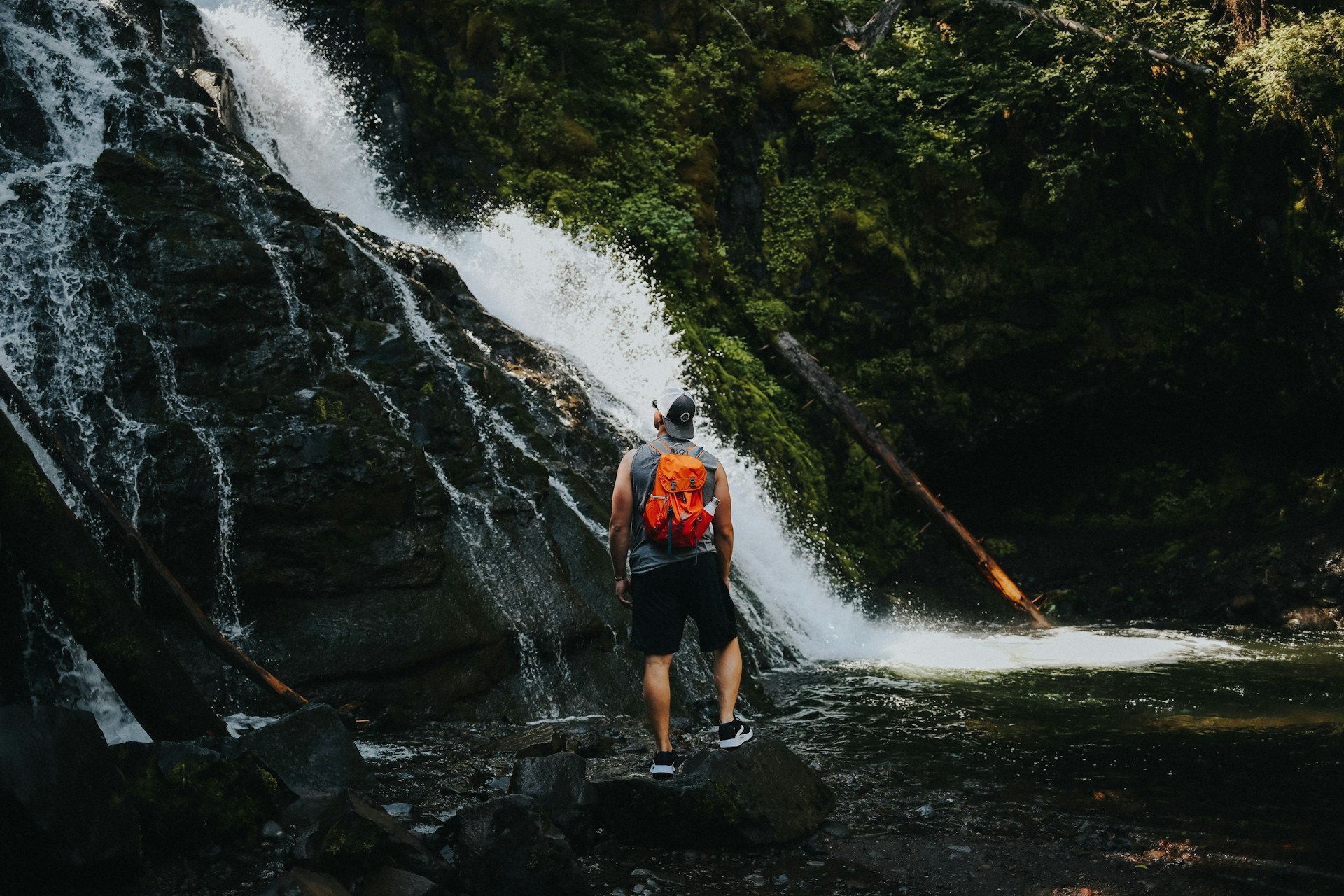
“Let’s go hike to a waterfall and have a picnic.”
-
“Let’s drive to the coast for tide pools and lunch, then come home.”
-
“Let’s camp one night at a lake, kayak in the morning, and be back by Sunday afternoon.”
Because:
-
Distances from many towns to dramatic nature are manageable for a single day.
-
Many activities have low or no admission costs beyond gas and maybe a parking or park pass.
-
There are tons of kid-appropriate options: short scenic hikes, gentle swimming areas, easy bike paths, and nature centers.
You get a lot of variety without having to become professional trip planners.
How this differs from Massachusetts
In Massachusetts, a weekend adventure is also totally possible: historic sites, museums, beaches, and charming towns. But:
-
Some popular spots can feel more crowded and pricey, especially during peak season.
-
There may be longer lines, reservations, and parking hassles, turning a day trip into a bigger production.
In Oregon, a “mini-adventure” can feel more casual and repeatable, and you can build regular family traditions around it: “First Saturday of the month is a new trail,” or “Every other weekend we pick a new park.”

Family time that doesn’t revolve around shopping or screens
Why Oregon makes non-commercial family time easier
-
Parks everywhere: Many communities invest heavily in public parks with playgrounds, ballfields, walking paths, and sometimes splash pads. These are easy after-work or after-school destinations.
-
Libraries as community hubs: Public libraries often host story times, craft sessions, teen events, and reading challenges—great free or low-cost entertainment that encourages kids to love books.
-
Farmers markets and local events: Outdoor markets, neighborhood festivals, and seasonal events (harvest festivals, berry picking, holiday lights, etc.) are family-friendly ways to get out of the house without centering the trip around buying stuff.
-
Casual hangout culture: Meeting friends at a park, river spot, or easy trail is a very normal way for families to socialize.
Compared with Massachusetts
Massachusetts has excellent libraries, parks, and community events too, but:
-
Longer, harsher winters often nudge families toward malls, indoor play places, or more screen time, simply because those are the practical options.
-
Getting to green space might require more planning depending on your specific town.
In much of Oregon, the combination of milder winters and abundant nature makes it easy to choose:
-
“Let’s go outside”
over -
“Let’s go to the mall”
on many more days of the year.

Fresh-start energy for your family
Why a move to Oregon is a good “reset button”
Any big move gives you a chance to re-evaluate your habits, but Oregon’s environment works especially well for:
-
New family routines: You can design your lifestyle around:
-
Weekly hikes or walks
-
Regular family dinners
-
Weekend trips that everyone looks forward to
-
-
Intentional screen rules: With so many outdoor and community options, it can be easier to stick to family guidelines like no screens after dinner or “Sunday is outdoor day.”
-
Healthier daily rhythm: Shorter commutes (in many areas), more daylight outdoor time in milder months, and access to fresh local produce all support a more active, balanced lifestyle.
Compared with staying in Massachusetts
If you’re already feeling:
-
Stuck in routines based on long commutes
-
Bound to certain social expectations
-
Pressured by a particular local culture
…then staying put can mean those patterns just continue by default.
Moving to Oregon lets you say, “Here’s how we do things now,” and build:
-
More quality time together
-
Clear family traditions (Sunday hike, Friday movie night, monthly new adventure)
-
New friendships aligned with the lifestyle you want
The environment and culture are on your side when it comes to choosing an outdoorsy, slower, more connected family life.
Still plenty of what you love about Massachusetts
What carries over to Oregon
Moving doesn’t mean giving up all the good things you’ve had in Massachusetts. In many Oregon communities you’ll still find:
-
Strong library systems and school partnerships that encourage reading and learning.
-
Arts and culture: Theater productions, local music, galleries, festivals, kids’ art programs, and museums—just with a different regional flavor.
-
Sports and activities: Youth leagues for soccer, baseball, basketball, and more; plus music lessons, dance studios, martial arts schools, etc.
-
Café and bookstore culture: Independent coffee shops and bookstores can be big parts of neighborhood life, giving you cozy spaces to relax as a family or grab some quiet time.
What feels “upgraded”
-
The backdrop of evergreen forests, mountains, and nearby ocean makes all those everyday activities feel a bit more connected to the natural world.
-
Even when you’re doing very “normal” family things—library runs, park playdates, grocery shopping—you’re often just a short drive from dramatic scenery or peaceful outdoor spaces.
So you’re not giving up culture, learning, or community; you’re changing the setting and often gaining easier access to the kind of nature-centered, slower-paced lifestyle many family-oriented people want.